Are you sitting on a fortune?
Why selling at auction could be your answer

Sue Fitzgerald still life of white lilies. Sold, £1,050
In an era of online marketplaces and instant listings, selling valuable items can feel deceptively simple. Yet alongside convenience has come uncertainty, fluctuating prices, inconsistent valuations and the ever-present risk of fraud. For many, the reassurance of a traditional auction house remains not only relevant, but increasingly appealing.
Established auction rooms offer something difficult to replicate digitally: expertise. Many of us inherit objects without fully understanding their provenance or worth. A vase from the attic, a ring tucked away in a drawer, a collection built over decades, their true value often lies beyond the untrained eye. Experienced specialists at The Canterbury Auction Galleries, working across disciplines from fine art and Chinese ceramics to jewellery, coins and contemporary collectibles, are able to assess items within the context of a wider global market.
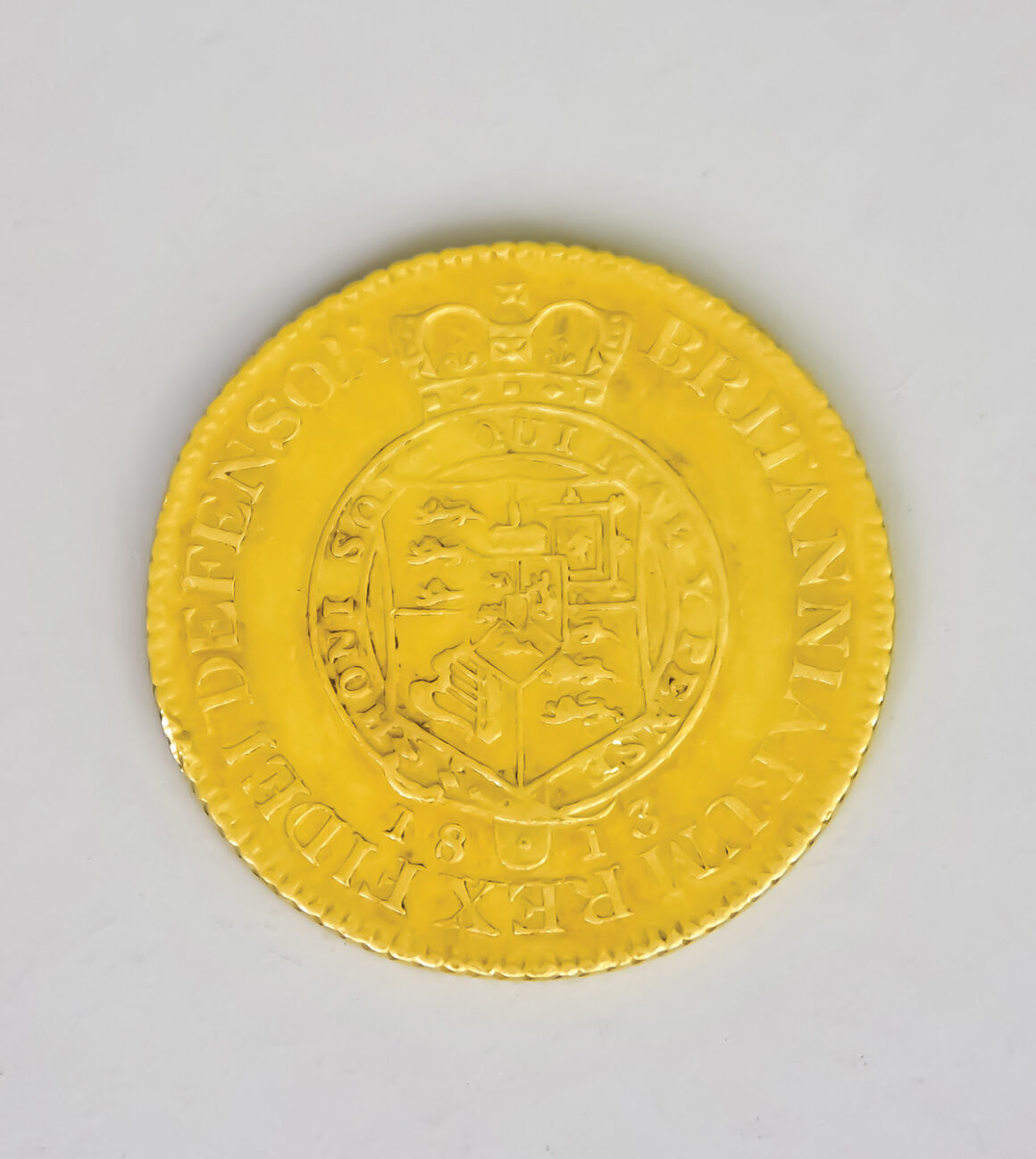
George III gold ‘military’ guinea, 1813. Sold, £2,800
Reach matters too. While independent sellers may struggle to attract serious buyers, established auction houses connect with collectors internationally. Strong digital platforms now complement traditional salerooms, ensuring items are seen not only locally but by bidders worldwide. The Canterbury Auction Galleries regularly see an influx of around 300,000 hits on their website each month and thus why often rivalling the big London auction houses.
There is also a practical advantage. Selling privately can be time-consuming and uncertain, requiring negotiation, logistics and security considerations. Auction provides structure with clear estimates, transparent fees and a defined sale date, removing much of the guesswork.
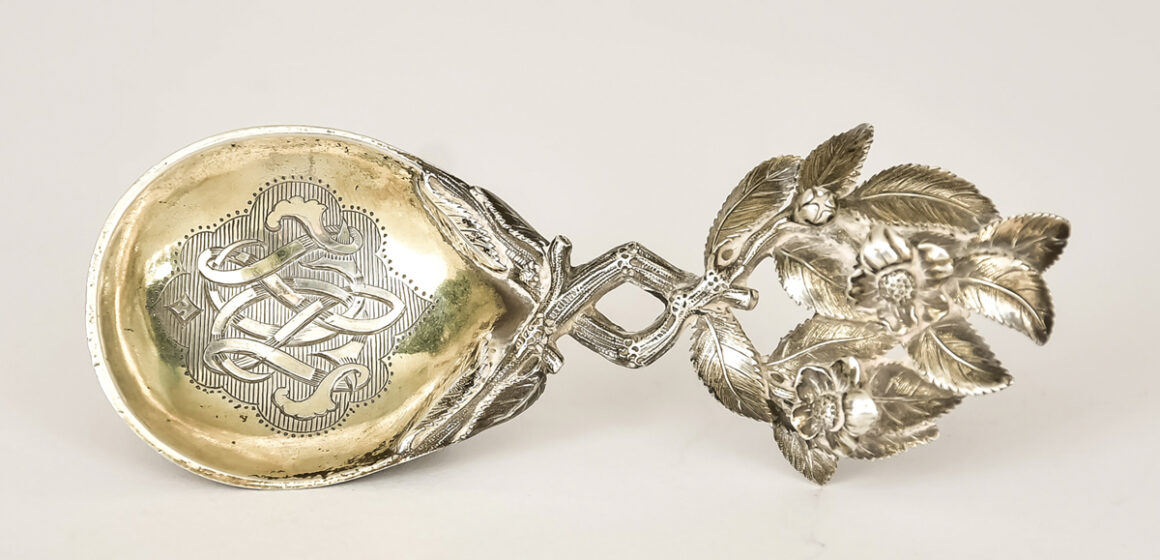
Victorian caddy spoon, by Benjamin Smith. Sold, £400
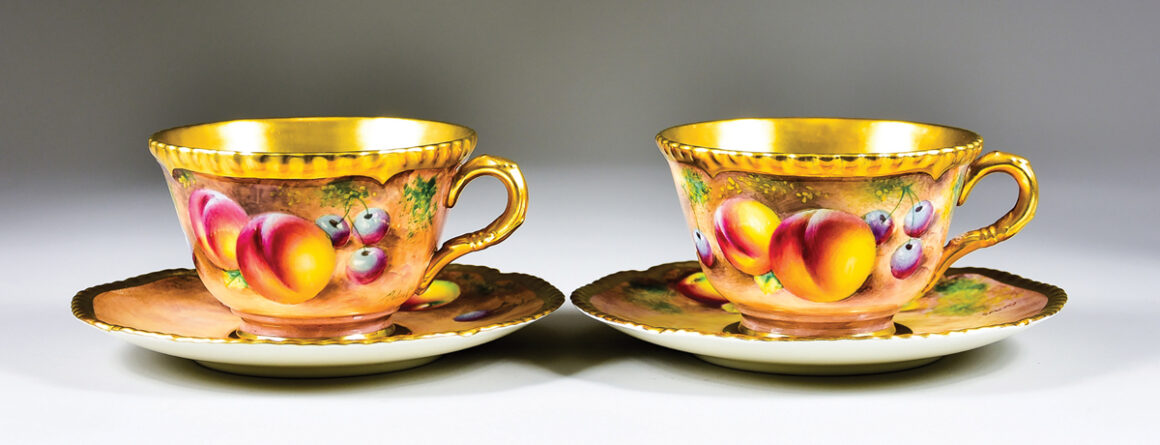
Gilded Royal Worcester teacups. Sold, £700
Recent results demonstrate the breadth of what can surface. A cloisonné vase purchased for £2.50 at a charity shop was identified as the work of Namikawa Yasuyuki and realised a hammer price of £6,300. A diamond-set Rolex Datejust achieved £4,300; an 18ct sapphire and diamond ring £2,400; a George IV silver salver £3,300. Even contemporary items such as Pokémon trading cards continue to attract competitive bidding.
Occasionally, an unusual lot captures wider attention including a so-called “haunted” rocking horse which was owned by a medium which apparently moved between rooms all by itself! Legend has it MD Dave Parker would move it round the auction house each night, terrifying the porters who‘d arrive the next morning. This lot generated national publicity before finding its way to an American museum.

Mint condition Pokemon TCG ‘Latias + Latios’ card. Sold, £380
For those considering a sale, valuation days offer a straightforward starting point. Whether prompted by inheritance, downsizing or simply a desire to refresh a collection, auction remains one of the most transparent and engaging ways to bring objects back into circulation.
The Canterbury Auction Galleries continues to hold regular sales throughout the year, alongside valuation events across Kent. Their next auction is over the weekend of April 10 – 11. Check out the catalogue nearer the time at
www.thecanterburyauctiongalleries.com
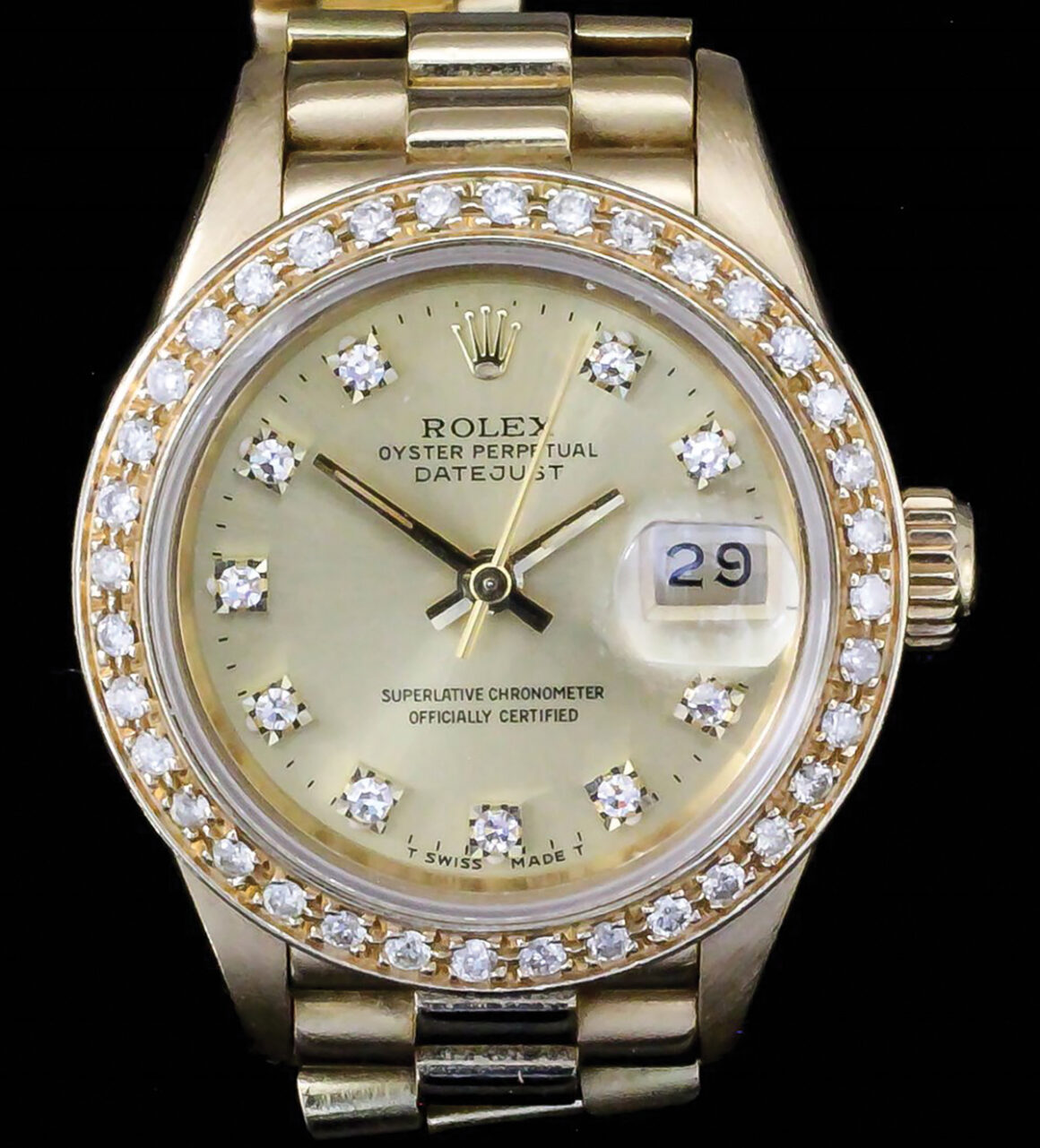
Diamond and gold Rolex Oyster ‘Datejust’ watch. Sold, £4,300