Cautionary tales from the auction house
As the price of gold and silver soars, more people are considering selling. But with sharks circling to buy your treasure, how do you know what it’s worth?
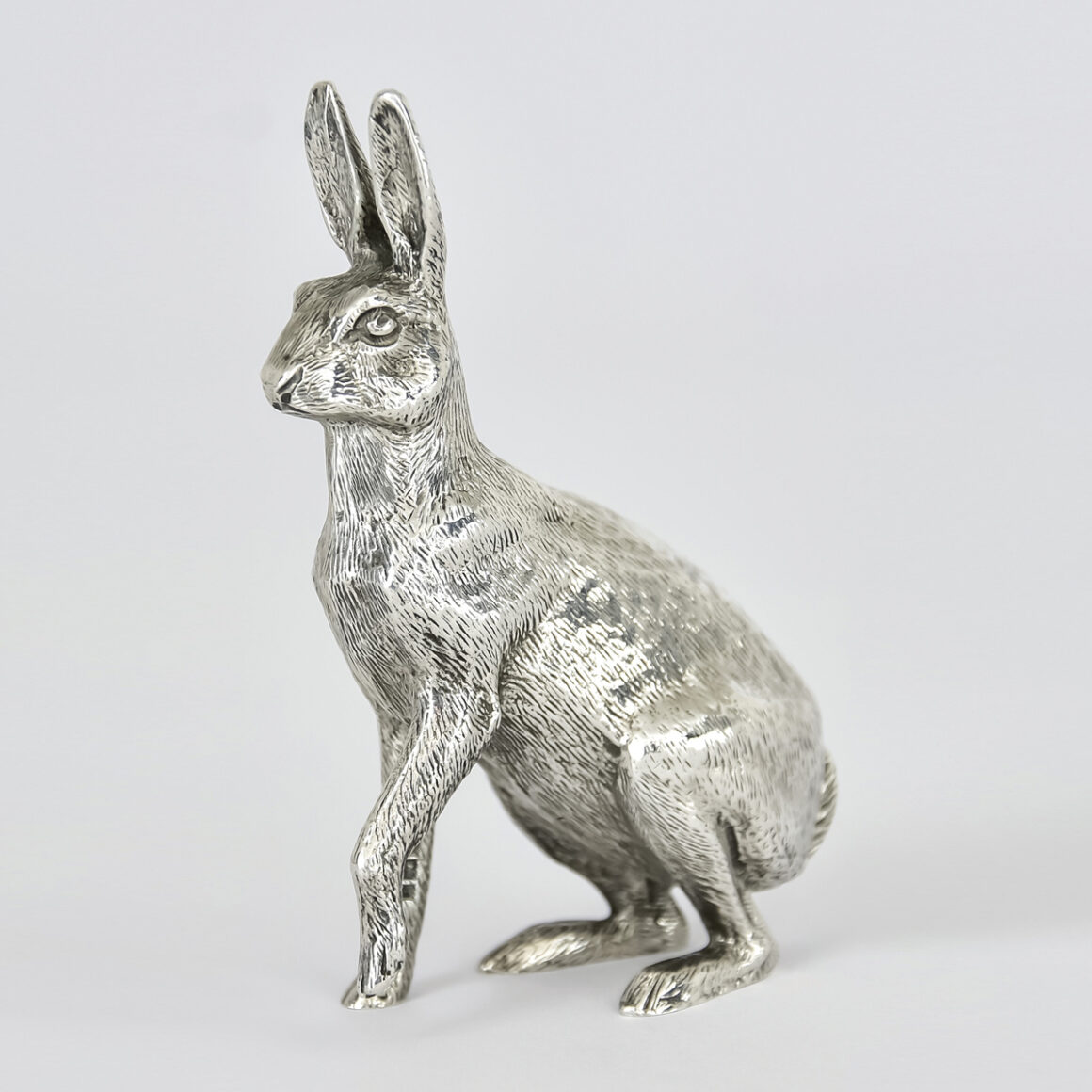
1968 silver hare £340.
Earlier this year, the team at The Canterbury Auction Galleries met for their regular weekly valuation session, where members of the public arrive with everything from gold, silver, art and ceramics to (once, famously) a suit of armour.
One lady had a bag of jewellery and various bits and bobs that she had inherited but was considering selling. What could they be worth?
Two of the specialists joined in and tested everything. Some rings had real diamonds, some were synthetic; some gold was 9ct, some 18ct, some 22ct (you need an expert to tell). Then a gold coin appeared – a sovereign, she thought.
Well, it was and it wasn’t. It was a 1937 George VI ‘double sovereign’ and worth north of £7,000. Only around 5,000 were ever minted, as special-issue Coronation proof coins — and it was one of the most sought-after coins in the world.
She decided to keep it in the family, though put all the jewellery into a recent auction. After lively international bidding it all sold for more than she had expected.
“It shows how vital it is to have specialist knowledge,” said Dave Parker, MD of the auction galleries. “Potentially, she could have sold the coin simply for the value of its weight, if a non-expert didn’t know it was an unbelievably valuable collectors’ item. Or worse, a wily crook knew, but didn’t tell her.”
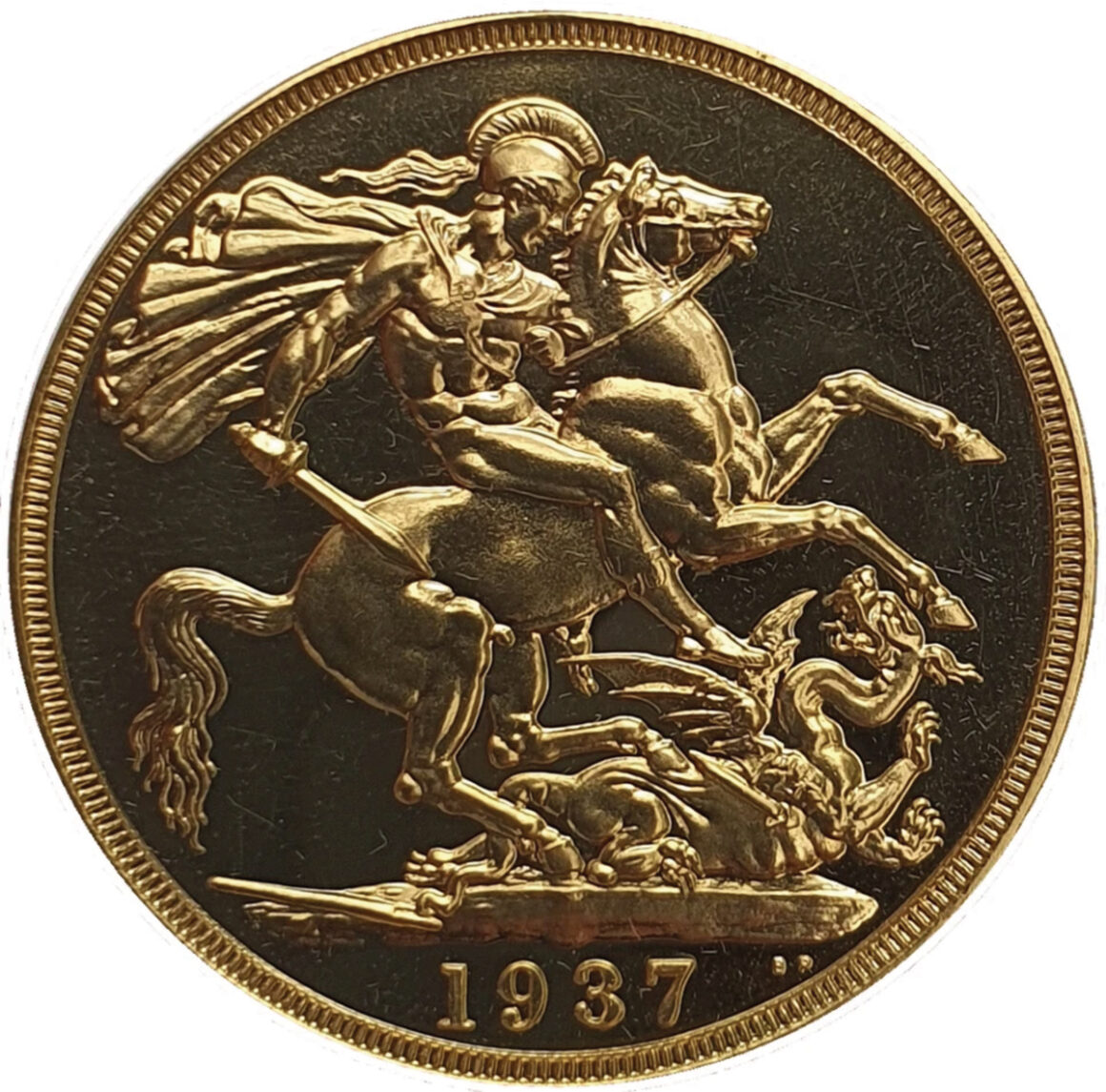
1937 George VI double sovereign. If you’ve got one of these, get in touch with Canterbury Auction Galleries right away!
As the price of gold and other precious metals soars (up 300% + in a decade) and the cost of living gets ever more expensive, Mr Parker has now decided to waive any selling fees for jewellery, silver, watches and coin consignments over £500. In short, sellers keep 100% of the hammer price and if the item doesn’t sell, there’s no charge. It’s unlikely though, with thousands of buyers attending each of the online auctions from all round the world.
“Frankly, I worry about the number of itinerant ‘we buy your gold’ outfits popping up in car parks and villages around Kent,” said Mr Parker. “People have come to us to double-check valuations they’ve had from these people, and they are being offered way less than we’d expect to get at one of our auctions.
“We consistently achieve great prices as we have a huge database of thousands of keen buyers worldwide, so you get what the world thinks your item is worth, not the opinion of some unregulated dodgy geezer in a van! You really have to wonder about their skill levels.
“We have fully qualified specialists of long standing and, having been here in Kent for decades, so we understand not just the value and provenance of things but the emotional value of the family treasures that we see — especially during Probate valuations. I like it that we are present and accountable, rather than scarpering in a van, never to be seen again.”
All the team have similar views. Director Cliona Kilroy, a member of the Royal Institution of Chartered Surveyors who specialises in silverware, regularly spots rarities from hallmarks that are mystifying to all but trained experts.
“Even quite modern-looking items can fetch good amounts if they are popular, you don’t need to have ancient silver antiquities,” she said. “We knew that a lovely 4ins silver model of a hare that came in recently was really collectible. Despite being made in 1968. It sold for £340, to her surprise.”
*Check out upcoming catalogues and sold prices from the Canterbury Auction Galleries at
www.thecanterburyauctiongalleries.com