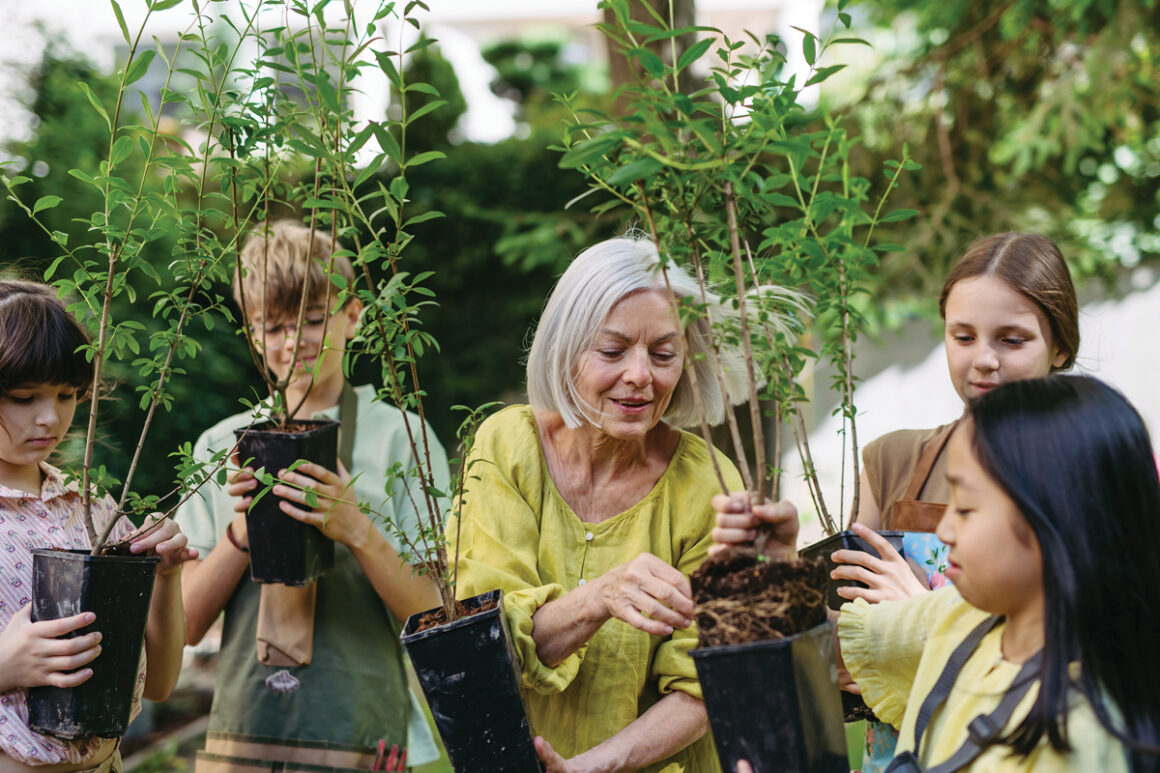
Helping Children Thrive Beyond the Classroom
Choosing the right education for a child has always been one of the biggest decisions a family can make. But in recent years, that decision has become about far more than exam results alone. Parents are increasingly looking for schools that can support the whole child: academically, emotionally, socially and personally.
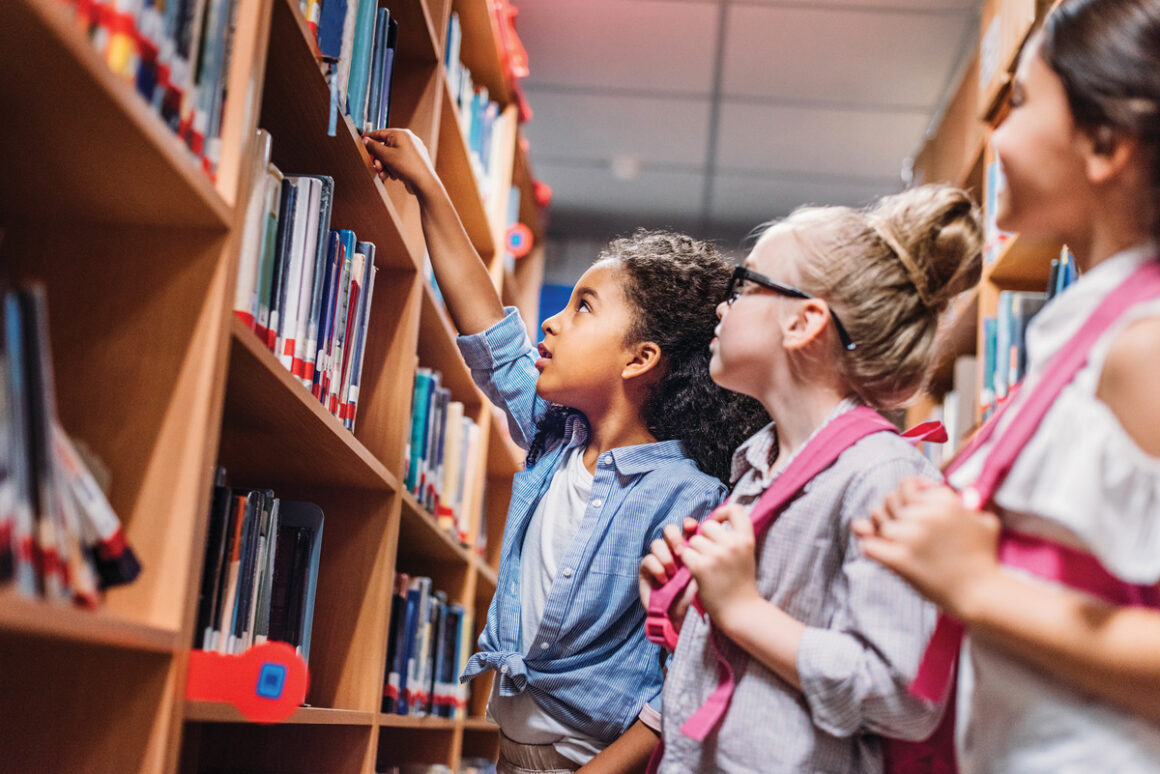
Across Sussex and Kent, the education landscape is rich and varied. From village primary schools and independent prep schools to senior schools, sixth forms, specialist settings and colleges, families have more choice than ever. Yet with that choice comes pressure. What makes one school the right fit for a particular child? Is it the academic record, the facilities, the pastoral care, the size of the classes, the co-curricular programme, or simply the atmosphere felt on a visit?
For many parents, the answer is usually a combination of all these things.
A good education should open doors, but it should also build confidence. Children need to feel safe enough to ask questions, resilient enough to make mistakes, and inspired enough to discover what they are good at. While grades remain important, schools are increasingly recognising that success cannot be measured only through league tables. Communication skills, creativity, leadership, kindness, independence and emotional maturity all matter too.
This is particularly important in a world that is changing quickly. Today’s pupils are growing up with technology, artificial intelligence, environmental concerns and a rapidly evolving job market. The careers they eventually enter may look very different from those familiar to their parents. As a result, education must do more than prepare pupils to pass exams. It must help them think critically, adapt confidently and learn how to keep learning throughout life.
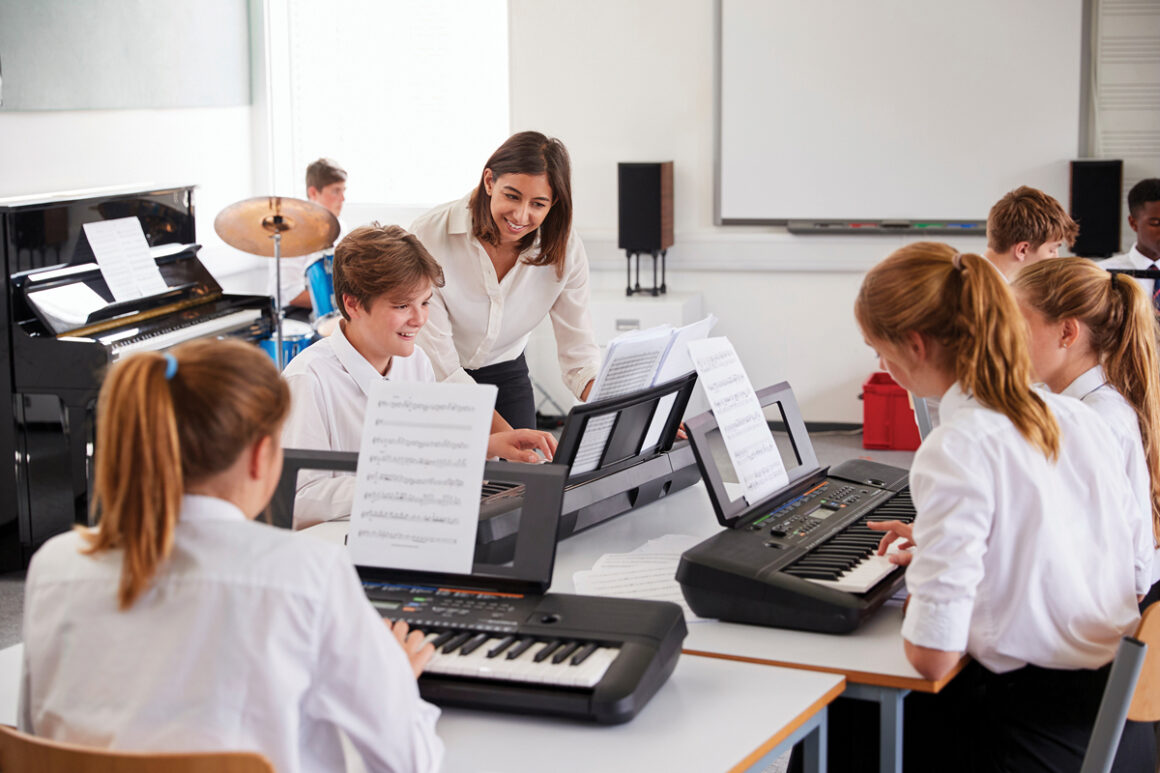
That does not mean traditional academic standards are no longer relevant. On the contrary, strong foundations in reading, writing, mathematics, science and the humanities remain essential. But the best schools are those that combine academic ambition with a wider understanding of childhood. They stretch pupils without overwhelming them, encourage effort without creating fear, and celebrate progress as well as achievement.
Pastoral care has become one of the most important factors for families when choosing a school. Children cannot learn well if they feel anxious, unseen or unsupported. A strong pastoral culture means that teachers know their pupils as individuals, not just as names on a register. It means noticing when a child is struggling, encouraging them when they lack confidence, and helping them develop the tools to manage challenges.
The relationship between school and home is also vital. Parents want clear communication, consistency and a sense that teachers are working with them, not separately from them. When that partnership is strong, children benefit. They understand that the adults around them are united in wanting the best for them.
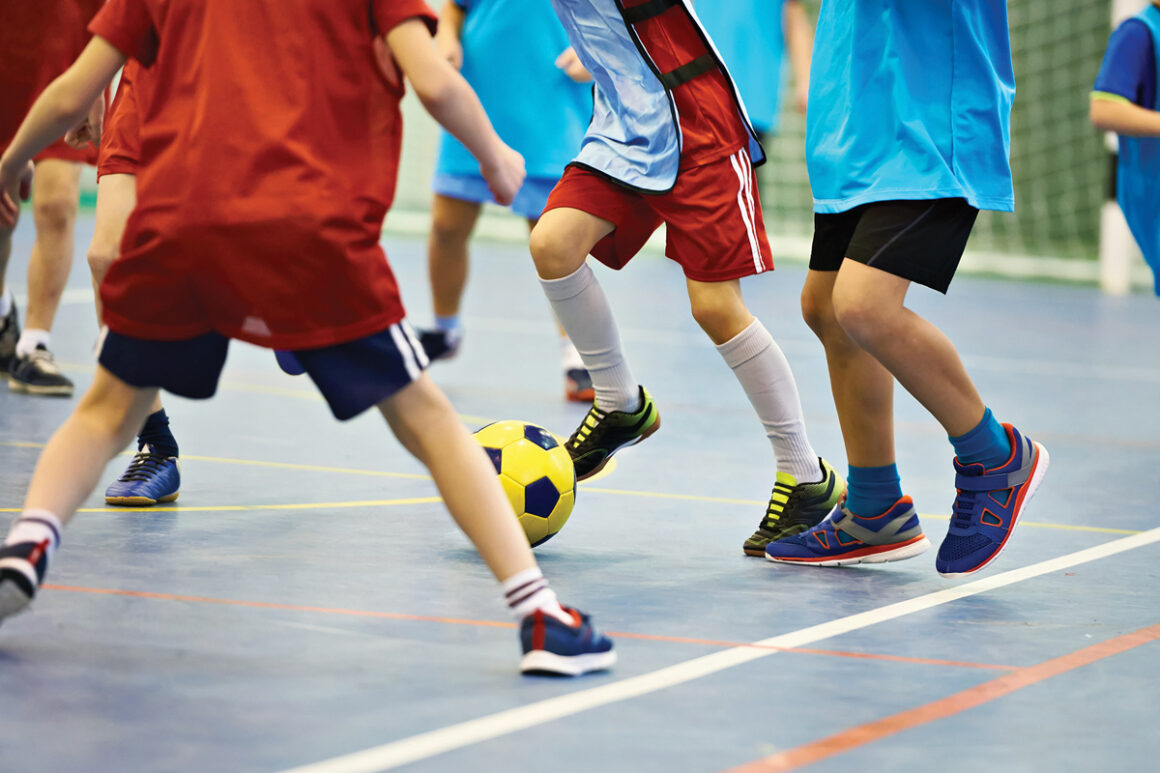
Beyond the classroom, co-curricular opportunities continue to play a powerful role in a child’s development. Sport, music, drama, art, outdoor learning, debating, volunteering and clubs can all help children find their place. Not every child will be the top academic performer, but every child should have opportunities to shine. Sometimes it is outside the classroom that a pupil discovers confidence that then carries back into their learning.
For younger children, the early years and primary stages are especially important. These are the years when attitudes towards school are formed. A positive start can shape a child’s confidence for years to come. Warmth, structure, curiosity and play all have their place, helping children develop socially and emotionally as well as academically.
For older pupils, the focus often shifts towards independence, subject choices, exams and future pathways. Whether a young person is considering A levels, vocational qualifications, apprenticeships, university or employment, good guidance can make a real difference. The best schools and colleges help pupils understand their options clearly, while also encouraging them to take ownership of their future.
Ultimately, education is not about creating identical outcomes. It is about helping each child become the best version of themselves. Some will be academic, some practical, some creative, some entrepreneurial, some quietly thoughtful. A strong education system makes room for all of them.
For parents visiting schools this year, the advice is simple: look beyond the prospectus. Notice how pupils speak to staff, how teachers talk about the children in their care, how confident and happy the pupils seem, and whether the school’s values feel visible in everyday life.
The right school is not always the one with the glossiest brochure or the longest list of achievements. It is the one where a child feels known, challenged, supported and inspired. And when those elements come together, education becomes far more than preparation for exams, it becomes preparation for life.