Micheal Hall – The Whole Journey: Education from 0–18
What does education look like when it is designed as one continuous journey from early childhood to adulthood? At Michael Hall Waldorf School in East Sussex, children can begin in the early years and remain within the same school community until 18. Younger children grow up alongside older pupils, seeing what lies ahead, while older students remain connected to those just beginning their journey.
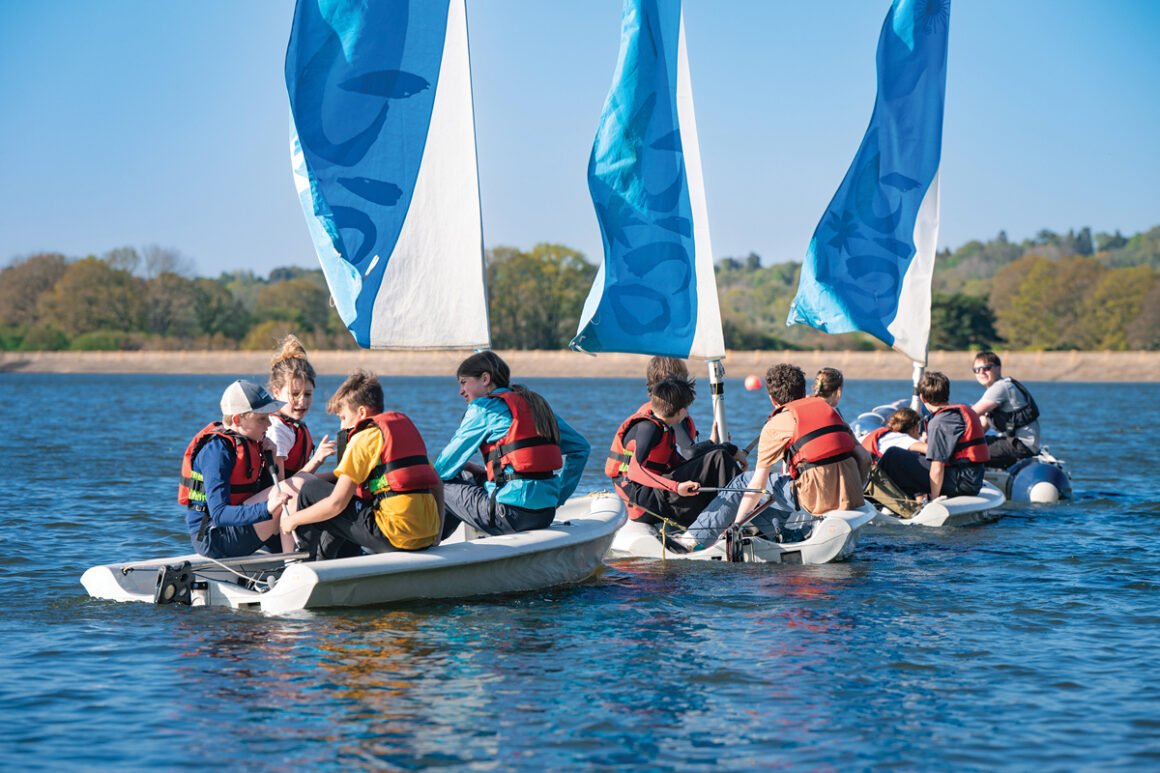
A 0 – 18 education offers continuity: familiar surroundings, teachers who really know the children and a curriculum that builds progressively from one stage to the next. This reflects a central principle of Waldorf education: that learning should develop alongside the child.
Learning through the Main Lesson
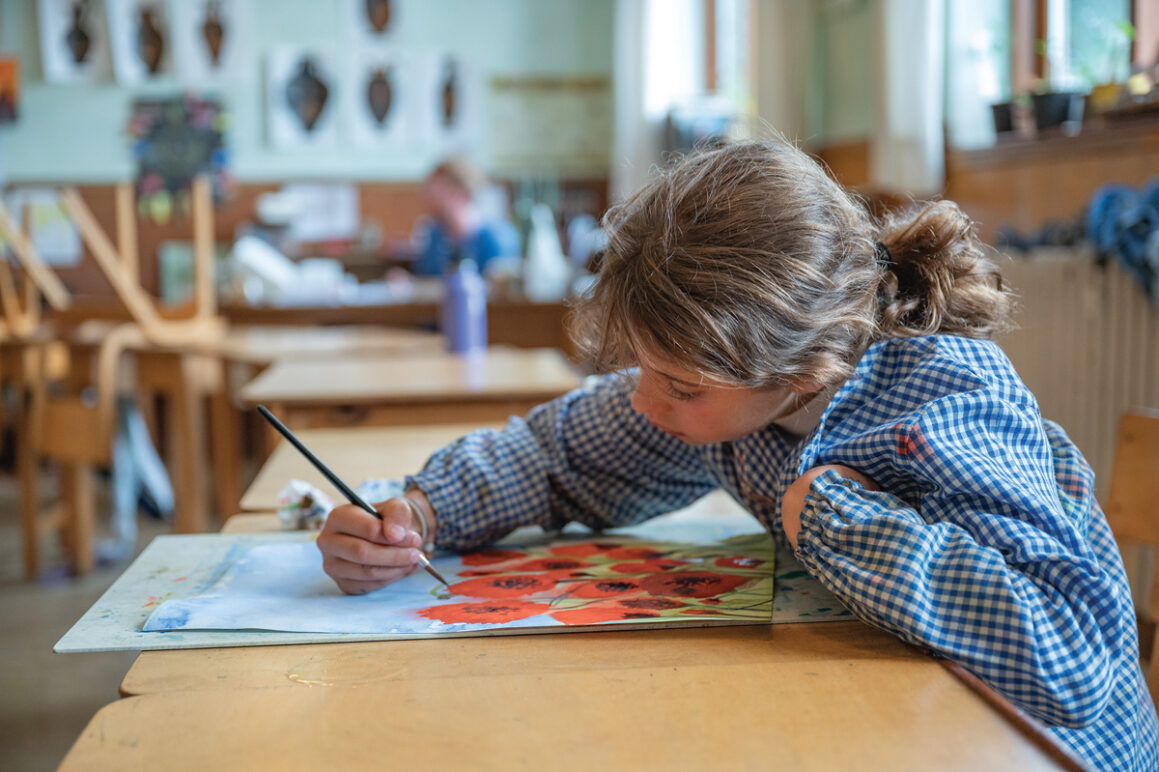
One distinctive feature of the Waldorf curriculum is the Main Lesson. From Class 1 through to Class 12, pupils spend each morning, for several weeks exploring a particular subject in depth through discussion, experimentation, practical work, storytelling, writing, drawing and music. Pupils create their own Main Lesson books, documenting and illustrating their work.
There are no formal exams or standardised testing in the Lower and Middle School years and instead, teachers use ongoing observation and assessment, qualitative reports and pupils’ work to build a picture of individual progress, with formal qualifications introduced in the Upper School.
Importantly, the subjects studied at each stage are not simply academic choices. They are designed to reflect the way children experience and understand the world.
From experience to understanding
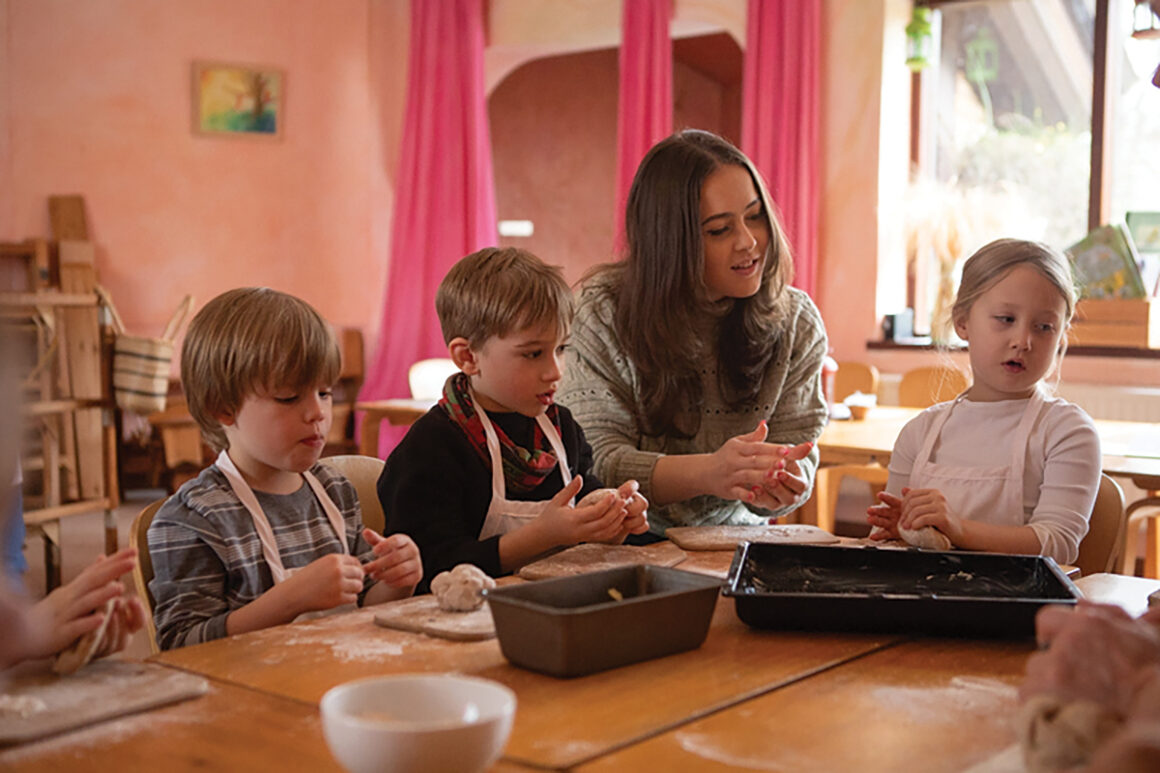
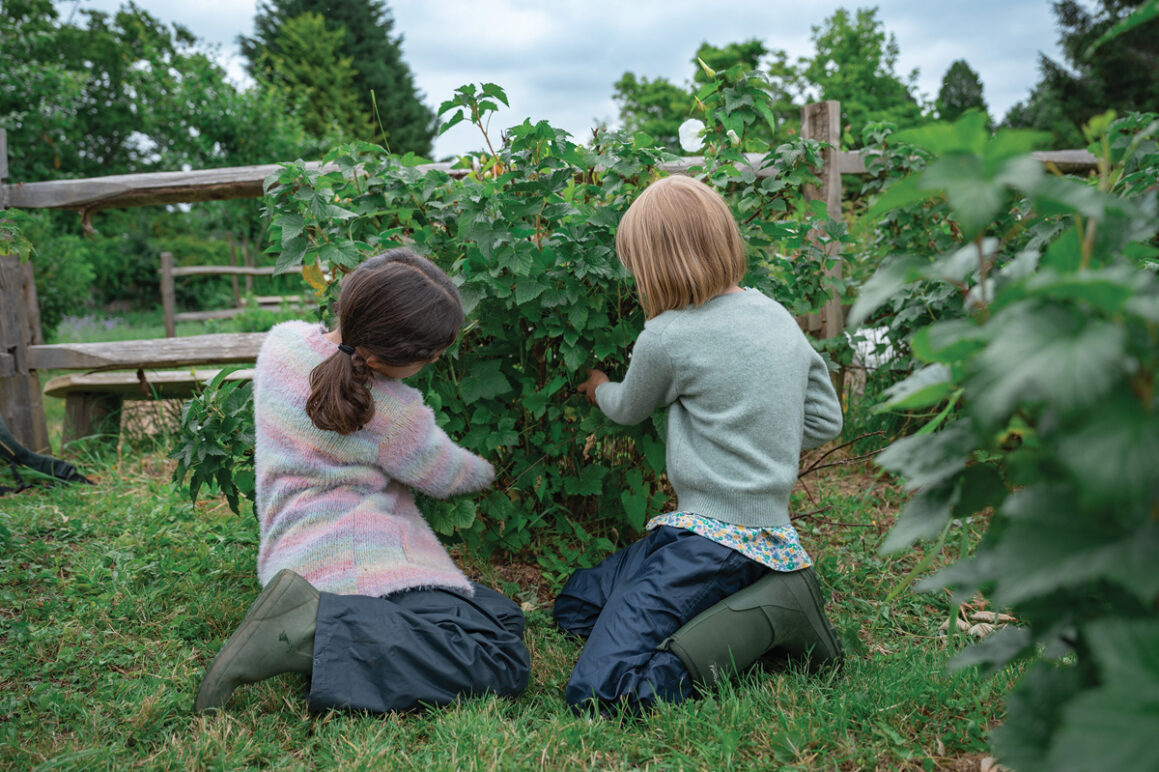
In Class 3, around the age of nine, pupils have a farming Main Lesson. Waldorf education recognises this as an important developmental transition, when children begin to experience themselves as more separate from the world around them. Farming gives them a tangible sense of place and belonging, through purposeful physical work: sowing, harvesting, threshing grain, grinding flour and baking bread. Maths, science, weather and measurement become part of something real and practical.
The curriculum then moves towards understanding human culture and civilisation. In Class 4, pupils explore local geography and their sense of place. In Class 5, they journey through ancient India, Persia, Egypt and Greece, reflecting the Waldorf view of this age as a time of balance, culminating in all the UK Class 5’s visiting for a 3 day mini Olympics at Michael Hall.
By Class 8, the curriculum turns towards the more turbulent world of adolescence. Pupils study the French, American and Industrial Revolutions, alongside meteorology and global weather patterns. The subjects reflect a growing interest in change, cause and effect and the wider world.
In the Upper School, learning becomes increasingly abstract and analytical, with independent research, critical discussion and specialist subjects.
More than academic knowledge
This approach is intended to develop more than subject knowledge. Through creating, investigating, performing, making and working collaboratively, pupils develop independence, communication, creativity, practical problem-solving and perseverance.
The journey is therefore not simply about progressing through a syllabus. It is about gradually moving from experience and imagination towards understanding, analysis and independent thinking.
At Michael Hall, the 0 – 18 journey provides the continuity for that progression: an education that changes as the child changes, while remaining connected from the early years through to adulthood.
By the time students leave school, they take with them academic knowledge alongside confidence, curiosity, creativity and the ability to think independently and work with others.
This is an Education for Life: not simply preparing children for the next stage, but giving them the foundations to navigate whatever comes next.