Screens Later. Childhood Now
Why the growing call for phone-free schools reflects a deeper need in education.

Across England, there is increasing discussion about the role of mobile phones in schools. A recent proposal for an all-day phone-free school policy removing mobile use entirely during the school day reflects growing concern about distraction, wellbeing and the impact of constant connectivity on children developing attention and social skills.
This conversation is not happening in isolation. Around the world, policymakers and parents alike are questioning how much screen exposure is healthy for children. Australia’s recent move to ban social media for under-16s has further amplified the debate, encouraging families to seek learning environments that prioritise human connection over digital immersion.
For many families, this raises a deeper question: what kind of childhood do we want to protect and what kind of learning best supports it?
At the heart of Steiner Waldorf education is a simple but powerful principle: Screens later. Childhood now.
Waldorf schools offer a holistic, child-centred education that puts human connection, creativity and real-world experience at the centre of learning. Rather than rejecting technology outright, Waldorf education introduces media gradually and age-appropriately, once children have developed the emotional maturity, critical thinking and self-regulation needed to engage with it responsibly.
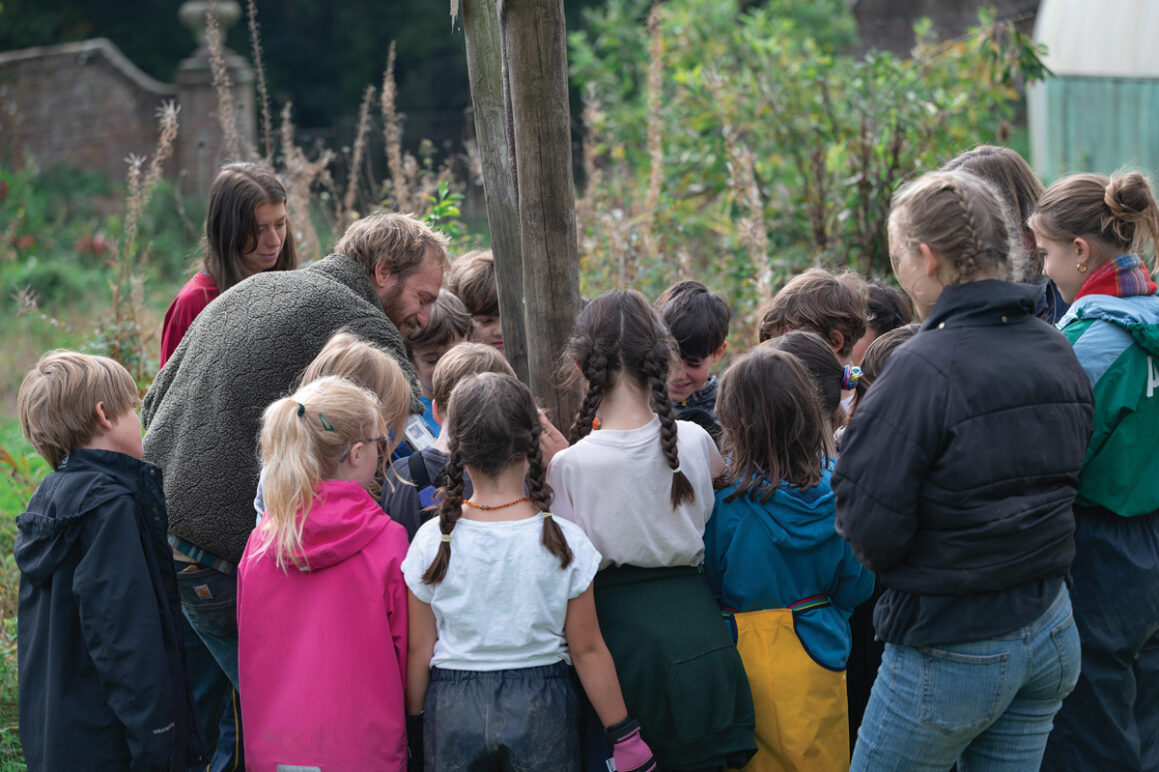
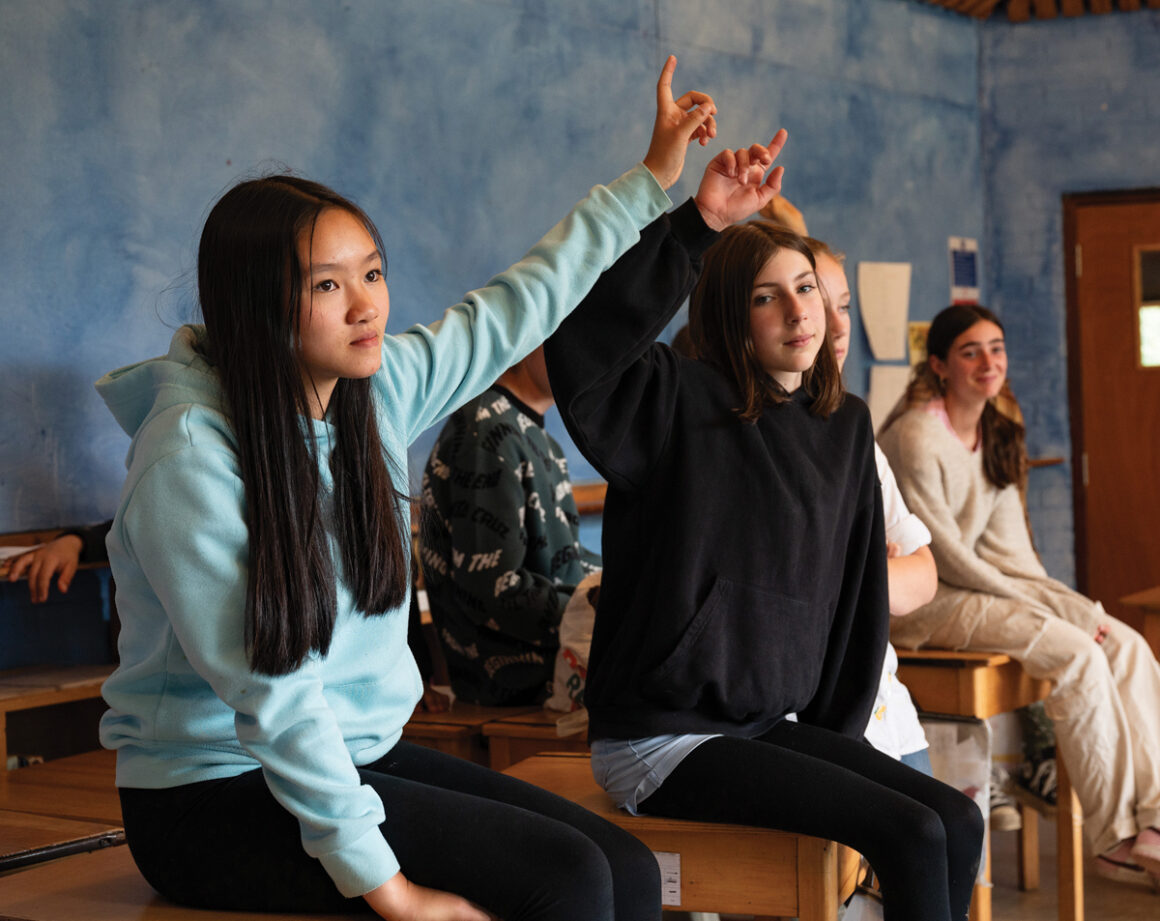
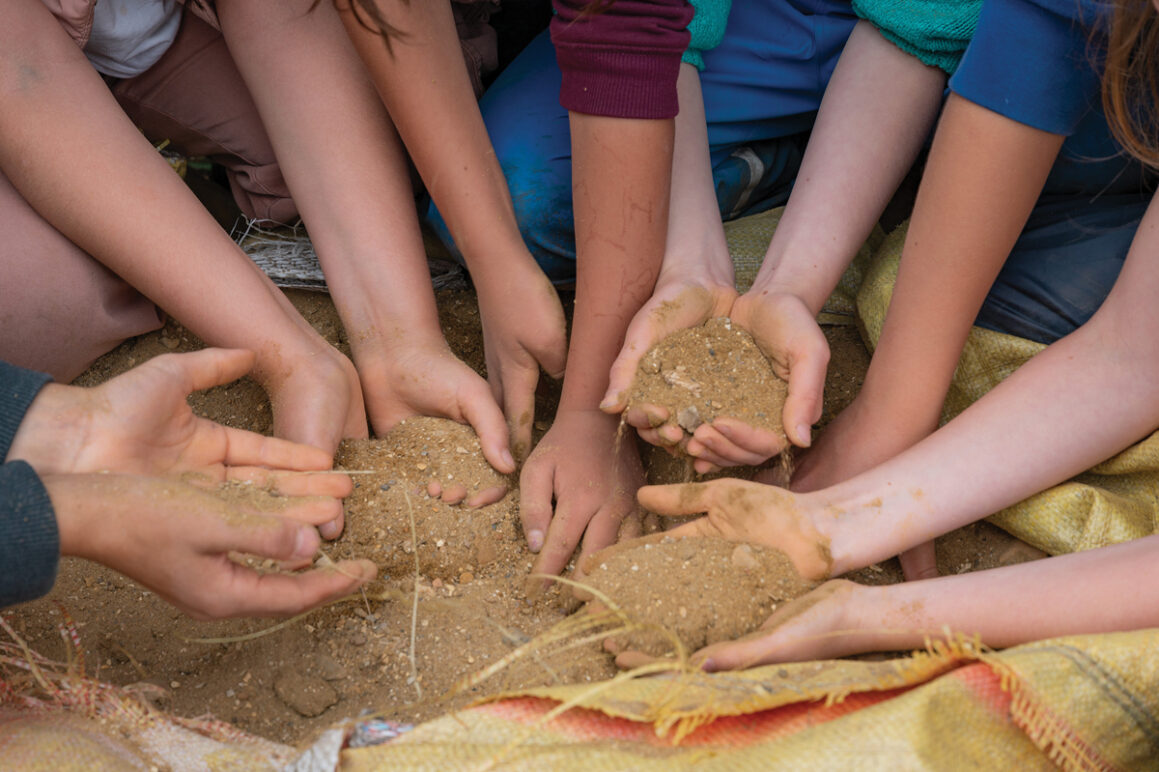
This ethos is reflected through:
• Hands-on, experiential learning
• Time spent in nature
• Storytelling, arts, crafts and movement
• Strong relationships between teachers and pupils
• A carefully structured media curriculum introduced only when children are ready
As one Waldorf parent shared:
“The screen-free environment was the main reason we chose Waldorf education… Now as a teenager, he is grounded and socially connected in healthy ways.”
This is not nostalgia – it’s a model for balanced digital education that supports long-term wellbeing.
How This Looks at Michael Hall
At Michael Hall Waldorf School, this philosophy is lived every day. Learning is designed to engage the head, heart and hands, encouraging children to be fully present with their teachers, peers and environment.
Without the constant pull of phones, classrooms become places of focus, conversation and collaboration. Children learn to listen deeply, express themselves creatively, and build meaningful relationships. Outdoor learning, creative arts and practical work are woven throughout the curriculum, supporting resilience, curiosity and emotional wellbeing alongside academic development.
Importantly, this approach prepares young people not just to succeed at school, but to become thoughtful, self-regulated digital citizens later in life capable of using technology wisely rather than being controlled by it.
An Invitation to Experience It Firsthand
As national conversations continue around phone-free schooling and children’s wellbeing, many families are discovering that a model for healthier, more balanced education already exists.
Michael Hall warmly invites parents to experience this approach firsthand through its upcoming Open Days. Visiting the school — walking the grounds, meeting the teachers and seeing children fully engaged in learning offers a powerful insight into what education can feel like when childhood is truly honoured.
To find out more and book a visit, explore upcoming events at:
www.trybooking.com/uk/eventlist/michaelhallwaldorfschool