What Should Sixth Form Be For?
What should the final years of school be for? Examination preparation? Certainly. Securing a place at the university course of your choice? Undoubtedly. Yet at The King’s School Canterbury, the Sixth Form is built around a broader ambition: to give pupils the freedoms, responsibilities and intellectual opportunities that might not always be available elsewhere.
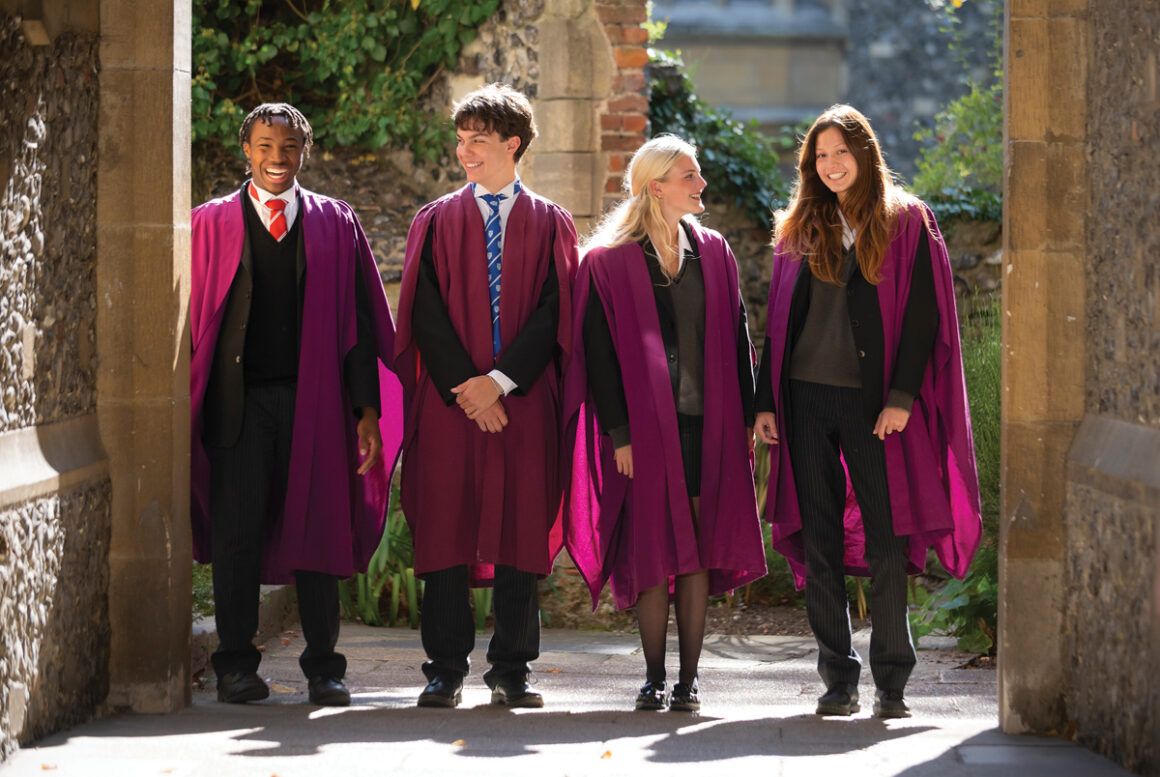
Through our ‘Super-Curriculum’, tailored subject pathways and opportunities to move beyond exam specifications, King’s cultivates curiosity, independent research, intellectual risk-taking and the confidence to pursue ideas for their own sake. It was this philosophy that prompted children’s author and former pupil Michael Morpurgo to describe the school as “a university for young people.” Rather than simply preparing pupils for university, King’s gives them the chance to experience an intellectual life more often associated with it.
Central to this is the King’s Sixth Form Enrichment Programme, a “launchpad for intellectual adventure” that lets pupils supplement their main subjects with extension and enrichment options. On a typical Wednesday afternoon, one Sixth Former might be learning Japanese while another researches the ethics of artificial intelligence for an EPQ. At a time when many sixth forms grow ever more exam-focused, King’s deliberately carves out room for intellectual exploration.
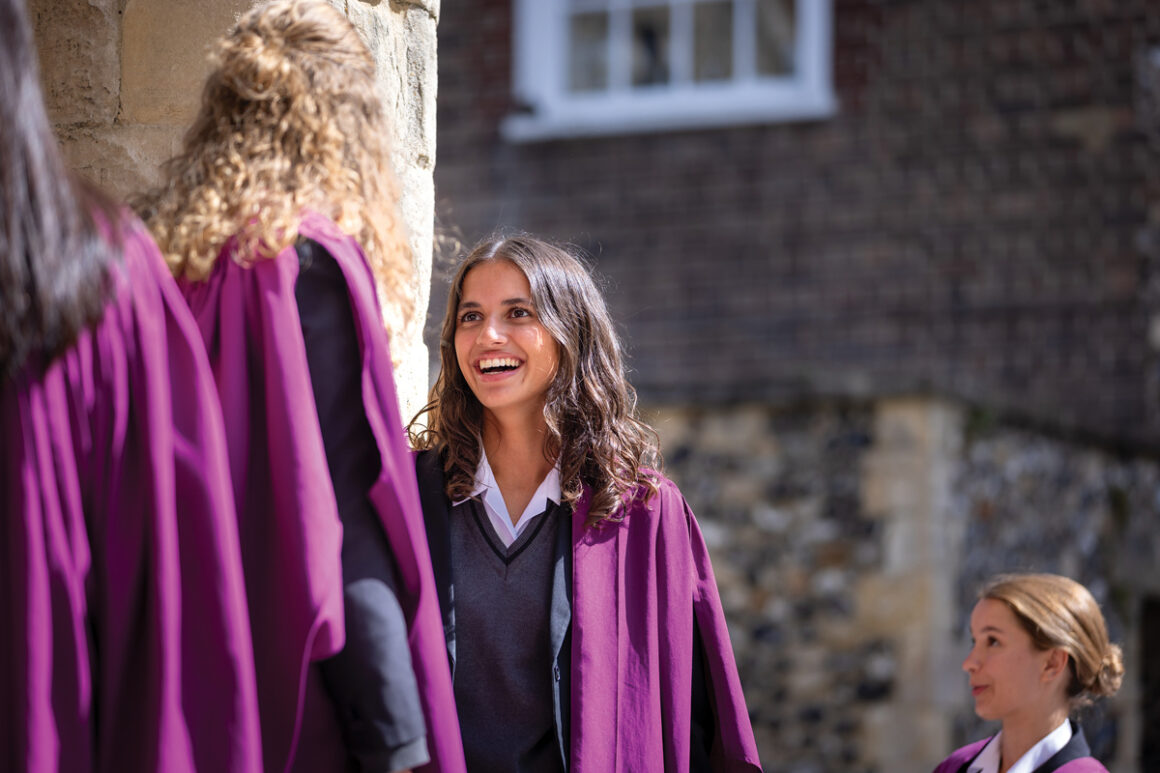

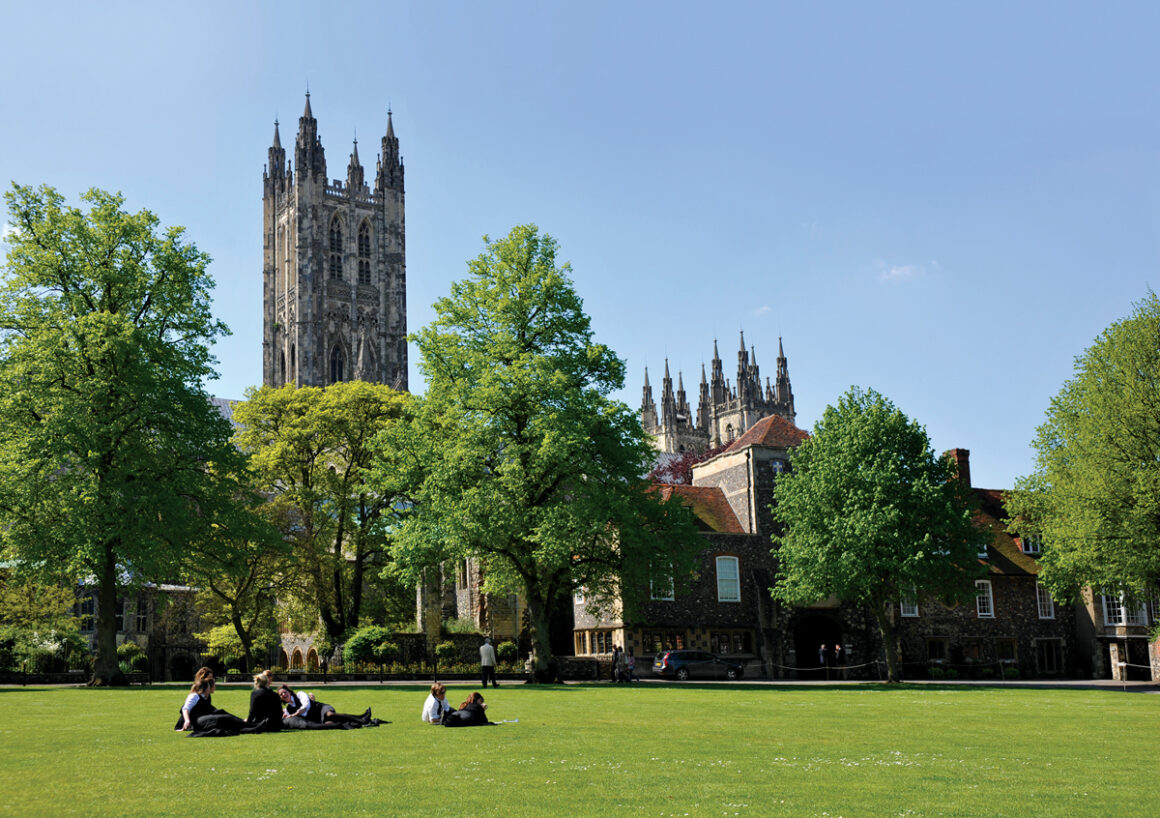
The breadth on offer is striking: more than 32 post-16 courses, over 100 clubs and societies, 650-plus music lessons delivered weekly by over 50 specialist teachers, and 25 regularly rehearsing ensembles. Last year saw 18 productions staged in the Malthouse Theatre, and pupils could choose from over 20 sports, including cricket, fencing, rowing and sailing.
Pupils also benefit from King’s Oxbridge Plus seminars and personalised guidance from the Futures Team, while our diverse city campus each year group over 200 strong, with around 70 joining from other schools and 39 nationalities represented, reinforces this open intellectual culture.
Perhaps that is what Morpurgo meant by a “university for young people”: not a place that guides pupils down a narrow path, but one that gives them the knowledge, freedom and perspective to discover what they want to become.