Plant Now, Enjoy Later
Autumn may signal the end of another gardening year, but beneath the soil it can also mark the beginning of the next. A little work now can transform the garden come spring.
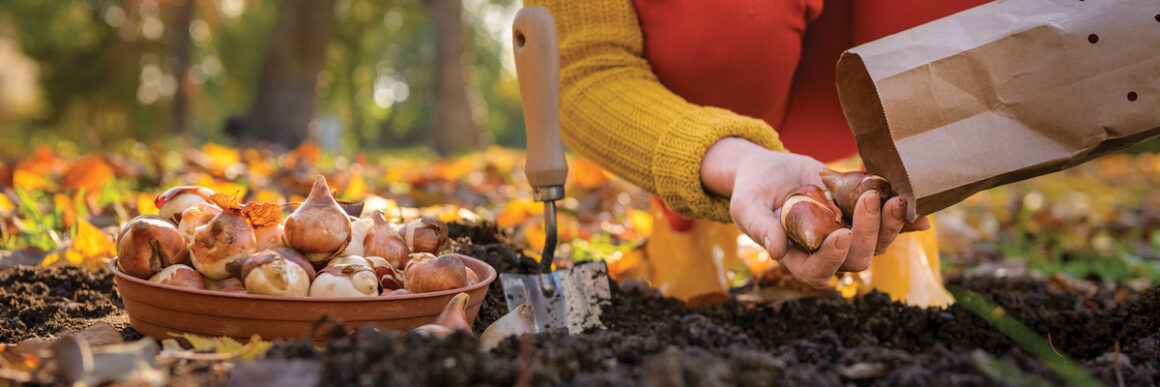
There is something wonderfully optimistic about planting bulbs in autumn. By the time October arrives, much of the garden is beginning to slow down. Leaves are changing colour, summer flowers are fading and the lawn finally seems to have lost some of its determination to grow. Yet this is exactly the time to start thinking about spring.
A bag of rather unremarkable-looking bulbs planted into cold soil now can, within a few months, produce the first snowdrops and crocuses of the year, followed by daffodils, tulips and great sweeps of colour as the garden wakes up again. And you don’t need an enormous garden to do it.
Pots, borders, lawns, banks and even areas beneath deciduous trees can all be planted with bulbs. The real trick is choosing varieties that suit the spot, and resisting the temptation to plant everything too neatly.
Daffodils are probably the obvious starting point. They are dependable, wonderfully cheerful and, provided conditions suit them, will generally return year after year. Plant them during autumn in well-drained soil and they’ll largely look after themselves.
Crocuses are another favourite, particularly when planted through grass. Rather than placing them in straight lines, scatter a handful over the area and plant them roughly where they land. The result in spring looks much more natural, as though they’ve gradually established themselves there over many years.
Then there are alliums, whose great spheres of purple flowers rise above borders in late spring and early summer. They work particularly well among ornamental grasses and perennial planting, extending the bulb season long after the earliest spring flowers have finished.
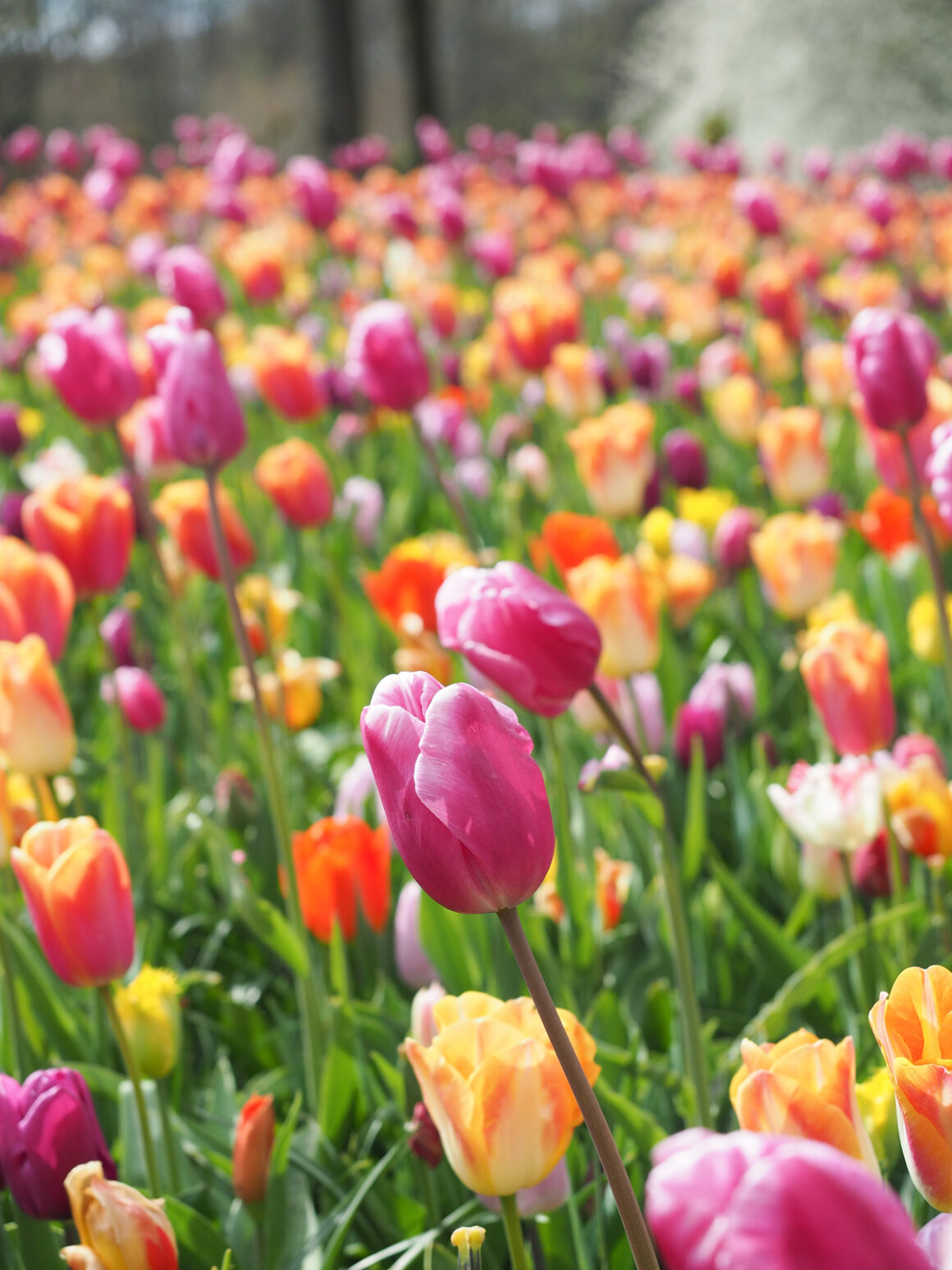
Tulips require slightly different treatment. While many spring bulbs are best planted during September and October, tulips are generally better left until November, when the soil has cooled. Later planting can reduce the risk of tulip fire, a fungal disease that can damage emerging plants.
Whatever you choose, one of the most common mistakes is planting too shallowly. A useful rule of thumb is to plant bulbs at around two to three times their own depth, with the pointed end facing upwards. Don’t become too worried about absolute precision, though. Bulbs have been finding their way through soil without our assistance for a very long time.
For smaller gardens, containers can produce some of the most impressive results of all. One particularly clever technique is the so-called bulb lasagne. Different bulbs are planted in layers within the same large pot, with the biggest and latest-flowering bulbs towards the bottom and smaller, earlier varieties nearer the top. Done well, one container can produce successive waves of flowers over several months. Snowdrops or crocuses might appear first, followed by daffodils and eventually tulips.
There is also something to be said for quantity. Ten daffodils dotted individually along a large border can disappear into the landscape; thirty or forty planted in loose groups suddenly become a feature. The same applies to crocuses and snowdrops. Spring bulbs tend to look their best when allowed to create drifts rather than standing alone.
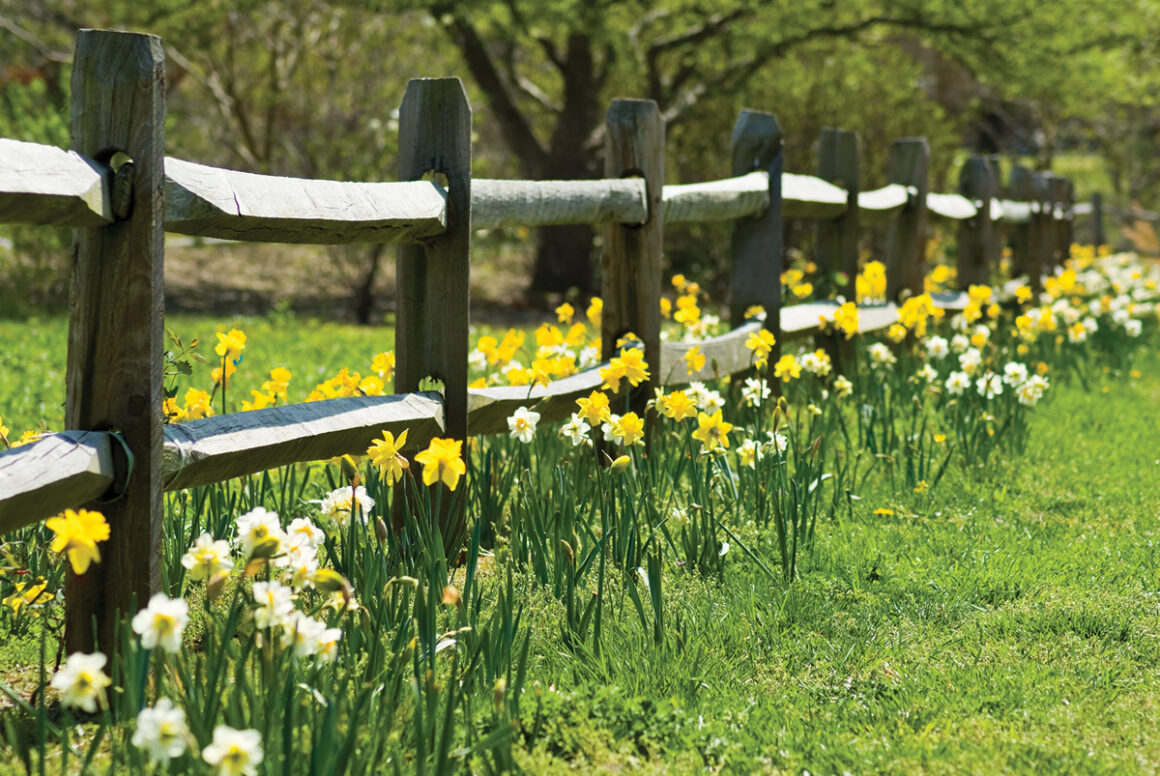
And once flowering is over, patience is important. It can be tempting to immediately cut back untidy foliage, but those leaves are still doing a job. Leaving them to die back naturally allows the bulb to replenish its energy reserves for the following year. Perhaps that is what makes autumn bulb planting so satisfying.
There is no instant transformation and very little immediate reward. You plant them, cover them over and, for a while at least, almost forget they’re there. Then one cold morning towards the end of winter, the first green shoots begin pushing through. By then, that hour spent digging in the autumn suddenly seems very worthwhile.