Winter Tree Care: Preparing Nature for the Colder Months
As autumn’s final leaves fall and winter settles, the natural world enters a period of quiet rest. Yet for those who care for their gardens and grounds, this season is far from dormant. Winter provides the perfect opportunity to assess and prepare trees for the year ahead, ensuring they remain healthy, safe, and resilient when spring returns.
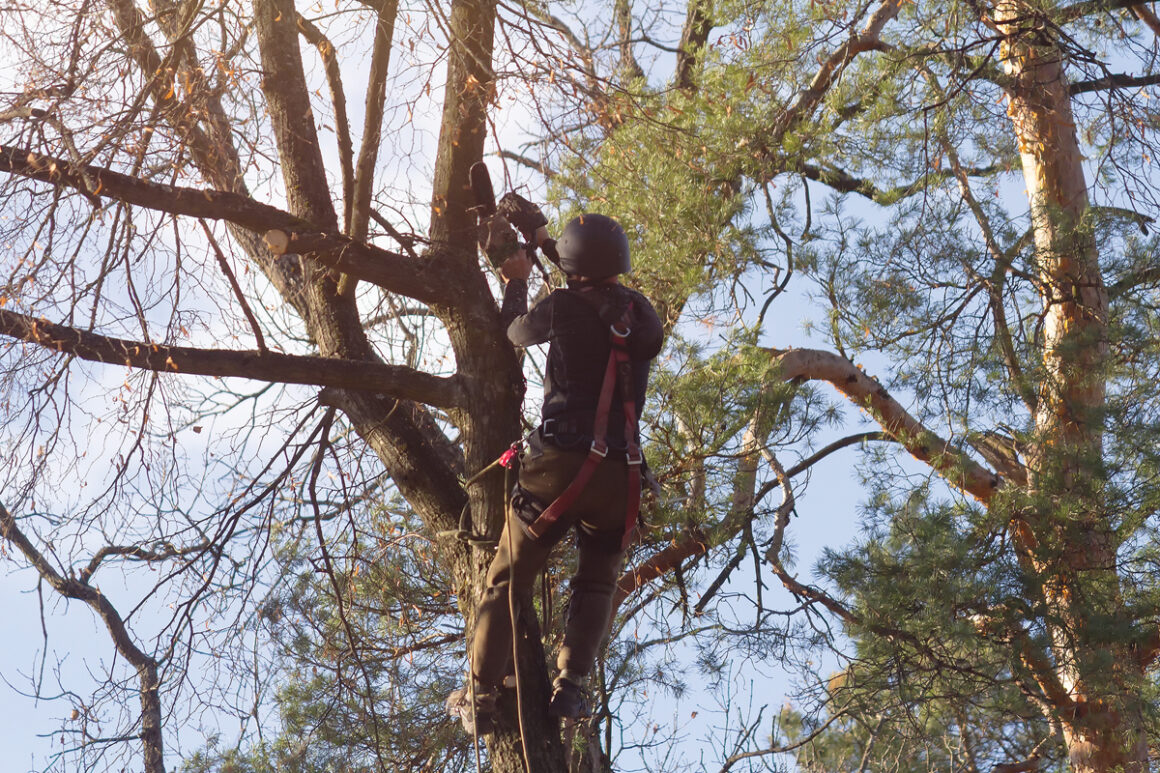
According to the specialists at R. Hawes Tree Care, one of the most important steps during winter is inspection. The absence of leaves allows for a clear view of the tree’s overall structure, making it easier to identify dead wood, weakened branches, or signs of disease that may go unnoticed during the growing season. Catching these early can prevent future damage particularly when high winds, frost, or heavy snow put additional stress on the canopy.
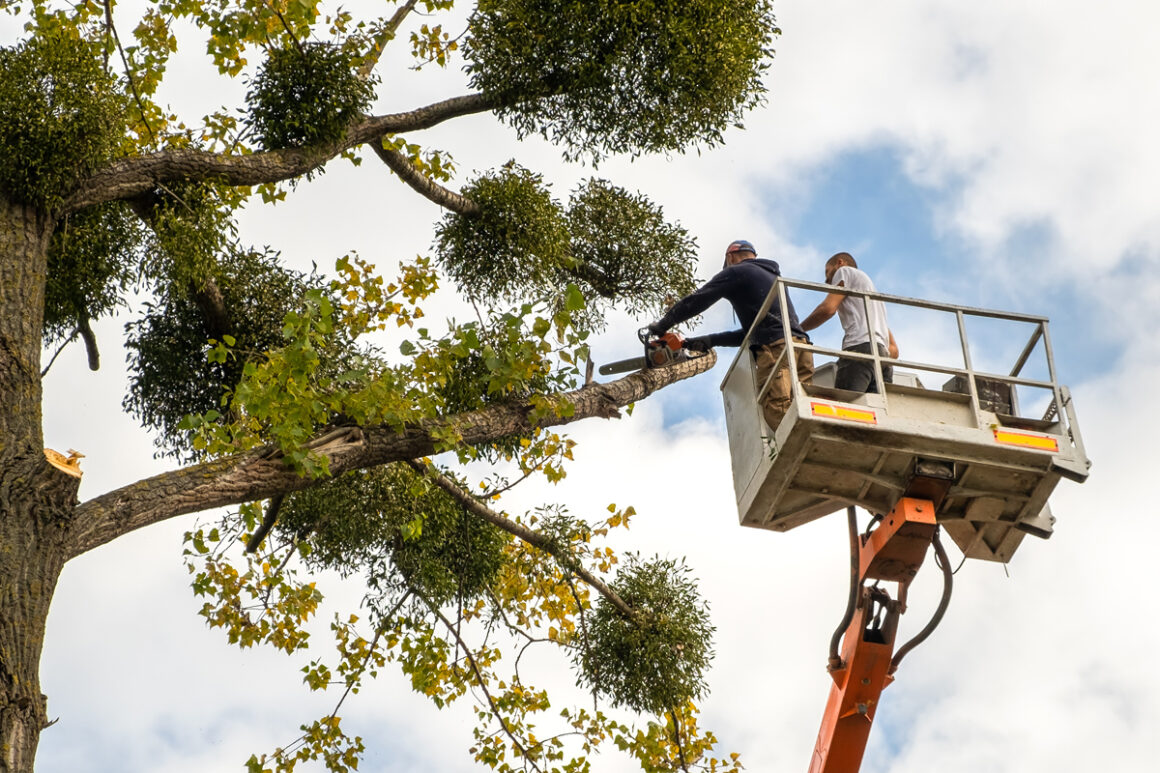
Pruning is another vital part of the winter care routine. For many deciduous species, pruning during the dormant months reduces the risk of sap loss and disease spread, while encouraging strong, healthy growth in spring. The key, experts say, is understanding how and where to cut to maintain the tree’s natural shape without compromising its integrity. Larger or more complex pruning work should always be handled by trained professionals, both for safety and to ensure the tree’s long-term wellbeing.
Winter is also the ideal time for planting. Bare-root trees, available from late autumn to early spring, can establish themselves before the warmer months arrive. The team at R. Hawes recommend choosing species suited to local soil conditions and future site use considering factors like mature size, root spread, and exposure to wind. A little forethought now can prevent costly problems later and encourage sustainable growth for decades to come.
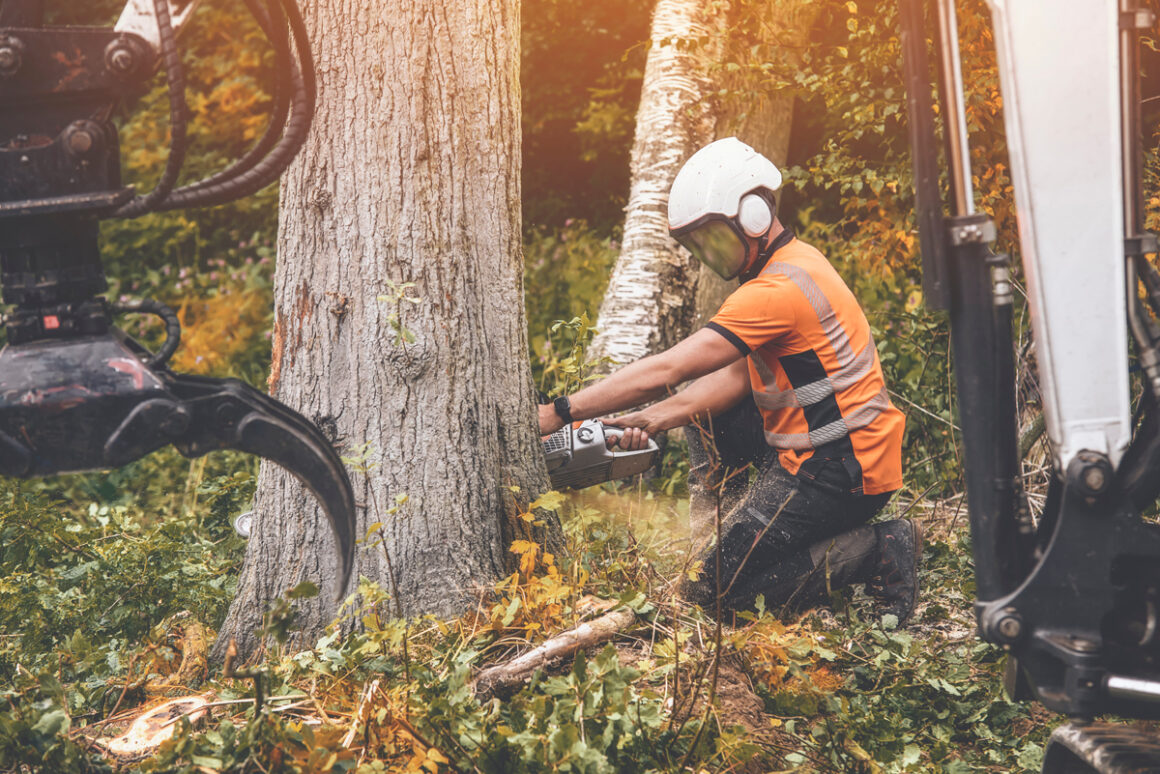
Protection from winter weather is equally important. Younger trees may need staking or guards to shield them from frost and wildlife. Mulching around the base helps insulate roots and retain moisture while keeping weeds at bay. It’s also worth checking that drainage is adequate, as persistent waterlogging can suffocate roots and invite rot.
For larger estates and rural properties, winter is a sensible time to carry out safety assessments. Trees near roads, public footpaths or buildings should be checked for potential hazards such as split trunks or overextended limbs. Professional tree surgeons like those at R. Hawes Tree Care can provide clear and practical advice on whether remedial work is necessary, helping property owners meet their legal duty of care while preserving the beauty of mature trees.
As nature pauses, careful attention during the colder months ensures that trees either being centuries-old oaks or newly planted saplings remain strong, healthy, and ready to flourish once the thaw arrives. Thoughtful winter care guided by experienced hands, helps safeguard the landscape’s appearance and its living legacy for years to come.