The Rise of Recovery
Ice Baths, Saunas and the New Wellness Ritual
Recovery has become one of the biggest conversations in health and wellness. It is no longer seen as something that happens only after exercise, but as an essential part of how the body adapts, repairs and performs. From ice baths and cold plunges to saunas and contrast therapy, many of today’s most popular wellness rituals are built around a simple idea: controlled stress may help the body become more resilient.
Cold water immersion is perhaps the most talked-about example. When the body is exposed to cold, blood vessels narrow, heart rate and breathing change, and the nervous system is forced to respond quickly. This sudden cold stress may help reduce the perception of muscle soreness after intense exercise, which is one reason ice baths have long been used by athletes. Research has suggested that cold water immersion can reduce delayed-onset muscle soreness and support short-term recovery, although the evidence is not perfect and results can vary depending on timing, temperature, duration and the type of training involved.
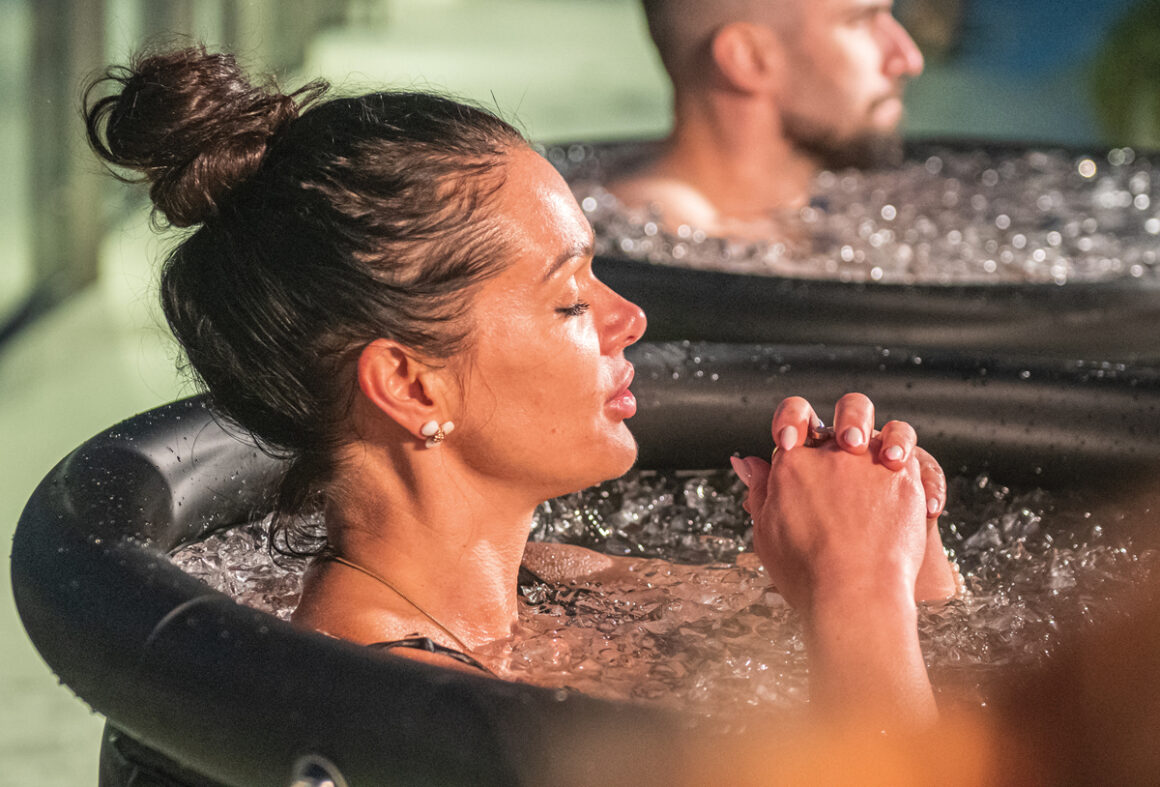
The effect is not simply about “freezing” the muscles. Cold exposure influences circulation, inflammation and the way the nervous system responds after exertion. For someone who has completed a hard endurance session or a demanding week of sport, a cold plunge may help them feel fresher and less sore. However, it is worth noting that regular ice baths immediately after strength training may not always be ideal for those trying to build muscle, as some inflammation is part of the body’s natural repair and adaptation process. In other words, cold therapy can be useful, but it is not always the right tool at the right time.
Saunas work in the opposite direction. Instead of cold stress, they use heat stress. As the body warms, blood vessels widen, heart rate rises and circulation increases. In many ways, sauna bathing creates a passive cardiovascular challenge, with some physiological responses that resemble light to moderate exercise. Reviews of sauna bathing have linked regular use with potential cardiovascular benefits, although researchers continue to stress that more controlled studies are needed.
Heat also encourages sweating and relaxation, but its benefits should not be reduced to the popular idea of “detoxing”. The body’s real detox systems are the liver and kidneys. The more interesting science around sauna use relates to circulation, heat shock proteins, vascular function and the way repeated heat exposure may help the body adapt to stress. For many people, the immediate appeal is simple: looser muscles, calmer breathing and a feeling of deep physical release.
Contrast therapy combines the two, moving between hot and cold. The theory is that alternating temperatures may encourage changes in blood flow, helping the body shift between vasodilation and vasoconstriction. Some research suggests contrast water therapy may help reduce soreness after exercise.
As with much of wellness, the key is perspective. Ice baths and saunas are not replacements for sleep, nutrition, hydration or sensible training. They are tools, not miracles. Used well, they can support a broader recovery routine; used carelessly, they can be uncomfortable or even risky. Anyone with heart conditions, blood pressure issues, pregnancy, fainting episodes or other medical concerns should seek professional advice before using extreme heat or cold.
Perhaps the real reason these practices have grown so quickly is that they combine science with ritual. They give people a structured way to pause, reset and pay attention to the body. In a culture that often celebrates doing more, recovery reminds us that progress also depends on repair.