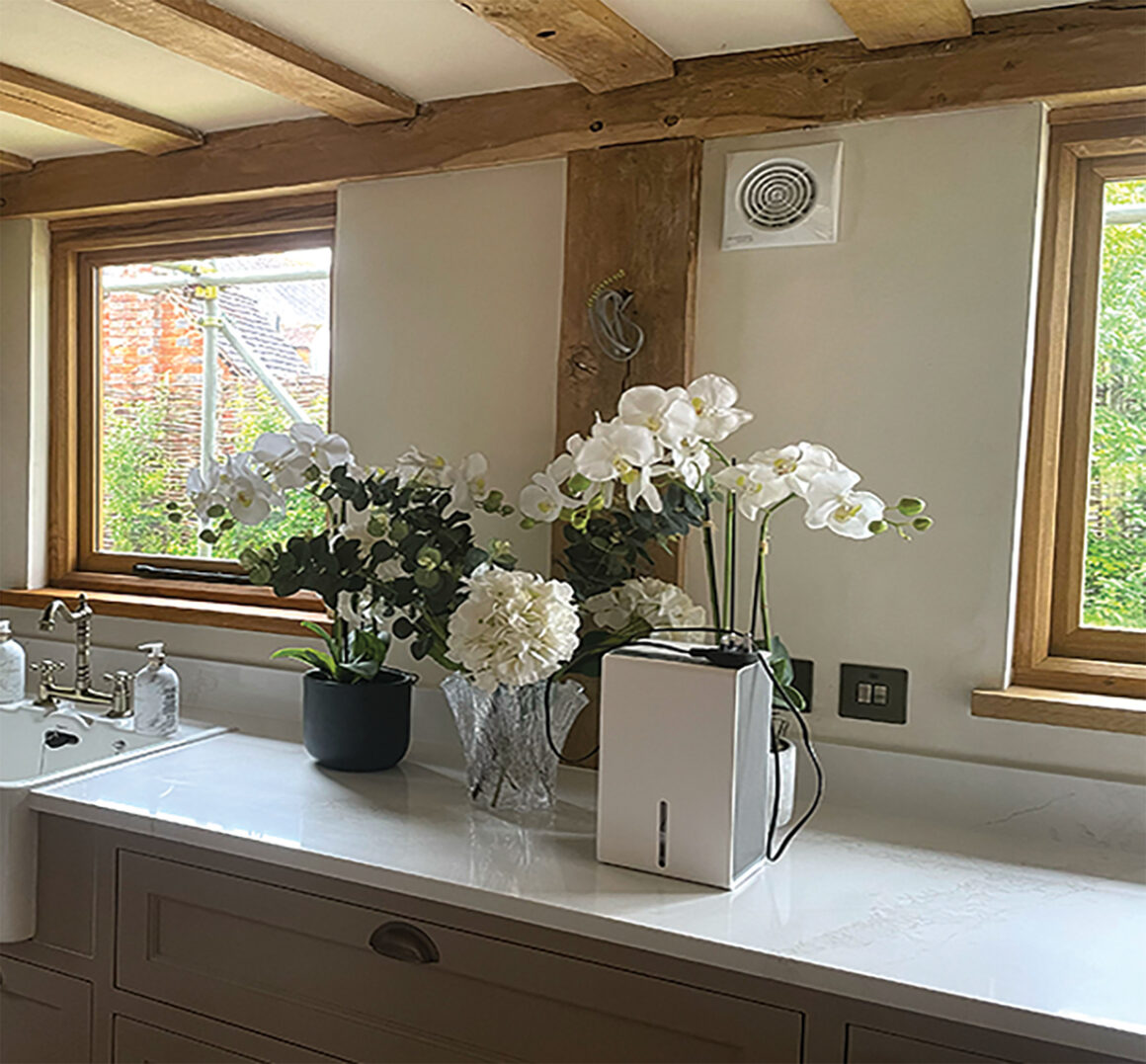
Where to Start?: Turning Your Vision Into a Design
“We don’t know where to start!”. It is one of the most common things we hear from clients at the beginning of their project. A new project comes with a long list of decisions, from layout and materials to making it all work within your budget.
These decisions can be overwhelming, so this guide is here to help with exactly that: knowing where to start.
The Site
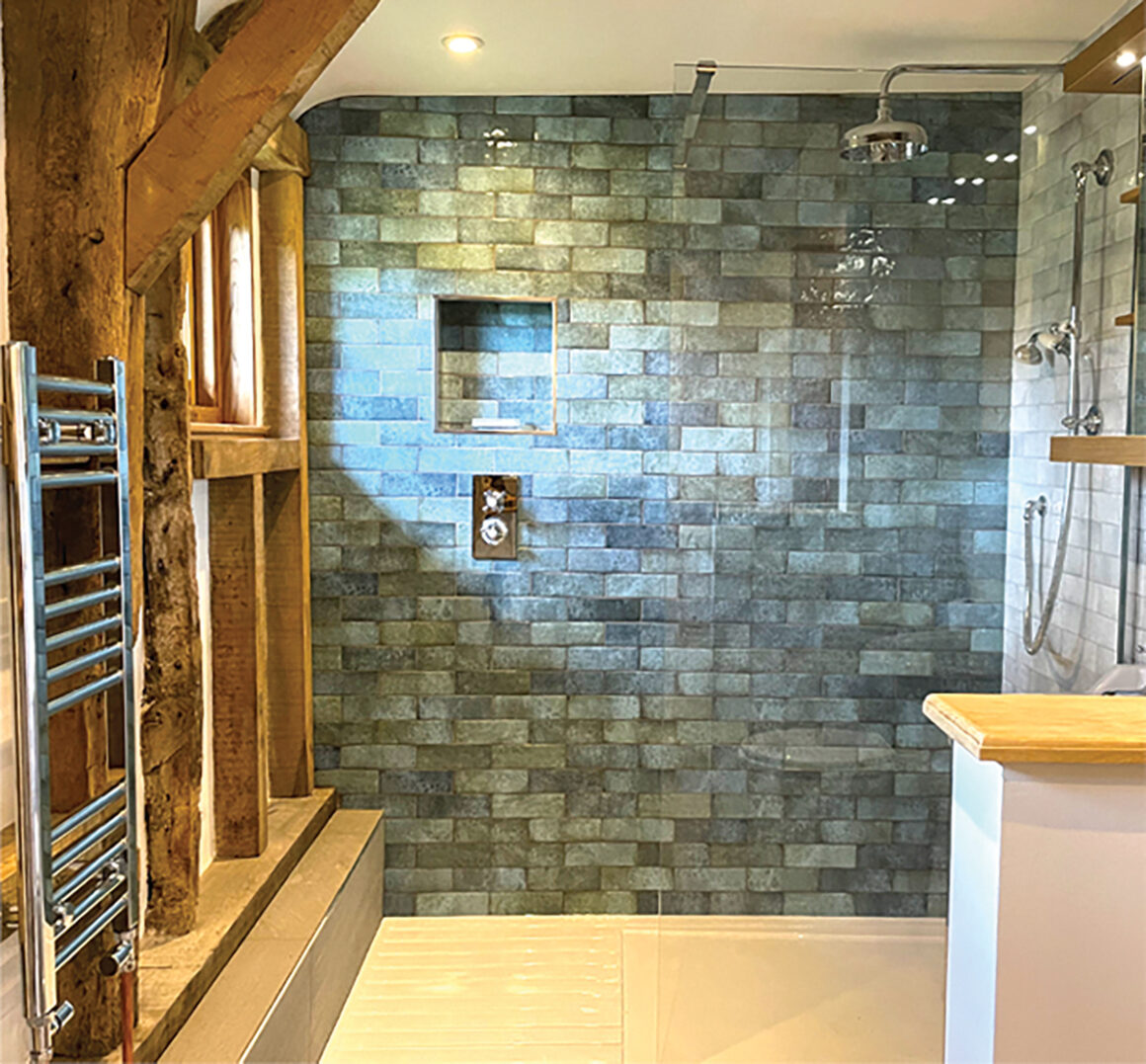
Every property is unique, and so all designs need to be sympathetic to the property’s historic fabric and setting. For example, a townhouse and a barn conversion call for totally different design approaches. Firstly, we recommend understanding and researching the character of the property. This allows to know what should be preserved, and what can be reimagined.
After this, it is important to consider what you actually want your design to achieve. For most, the answer is threefold: something beautifully stylish, socially transformative and an improvement to everyday life. Achieving this might mean creating more natural light, a better flow between rooms, or a kitchen that finally works for how you cook. We recommend that knowing these aims early on is particularly useful when it comes to making practical decisions about materials later on.
The Materials
Thinking about what materials you would like to use is one of the most helpful ways to visualise your project. Hopefully, the following materials and considerations we have suggested will act as a source of inspiration.
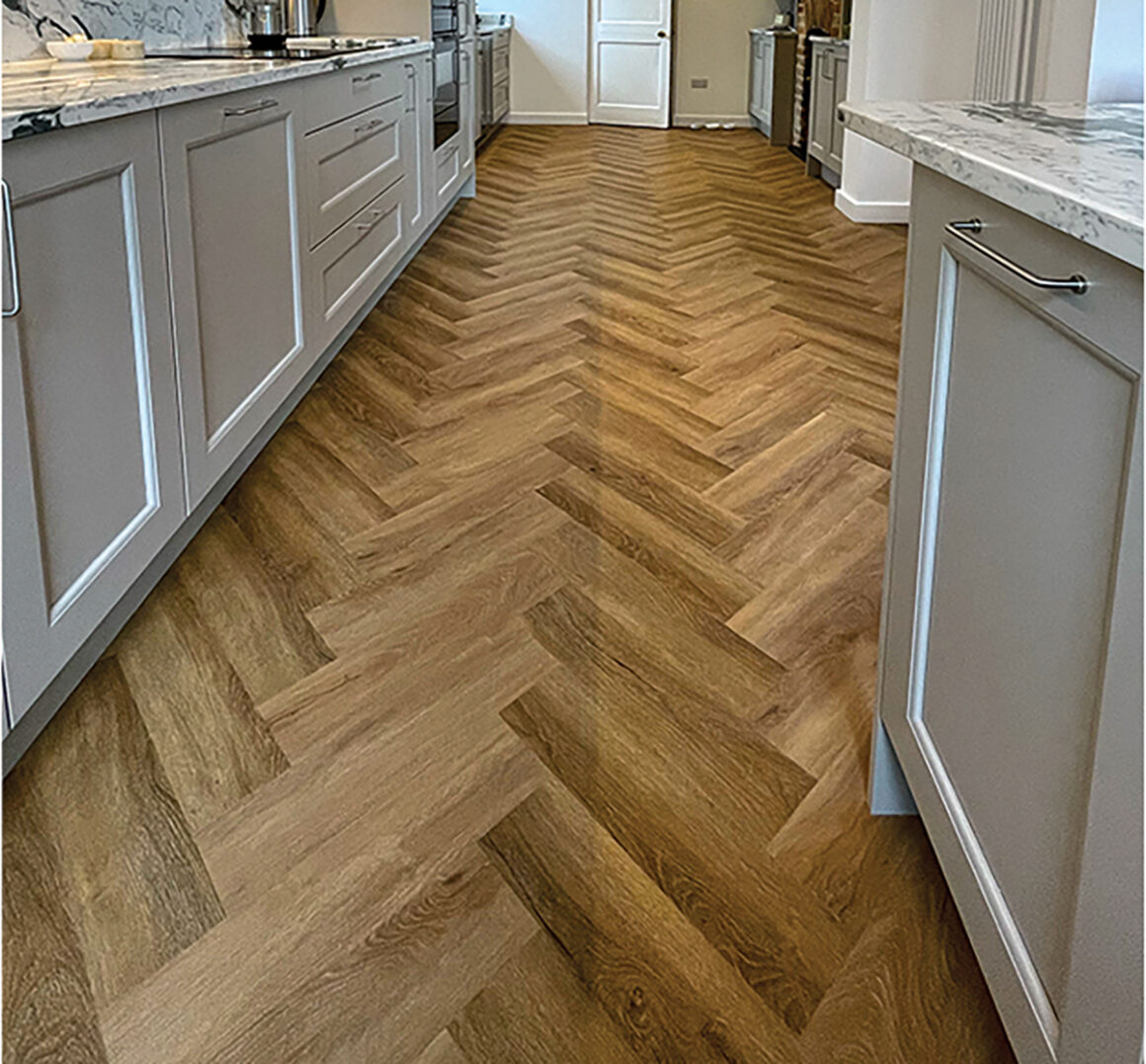
1. Walls
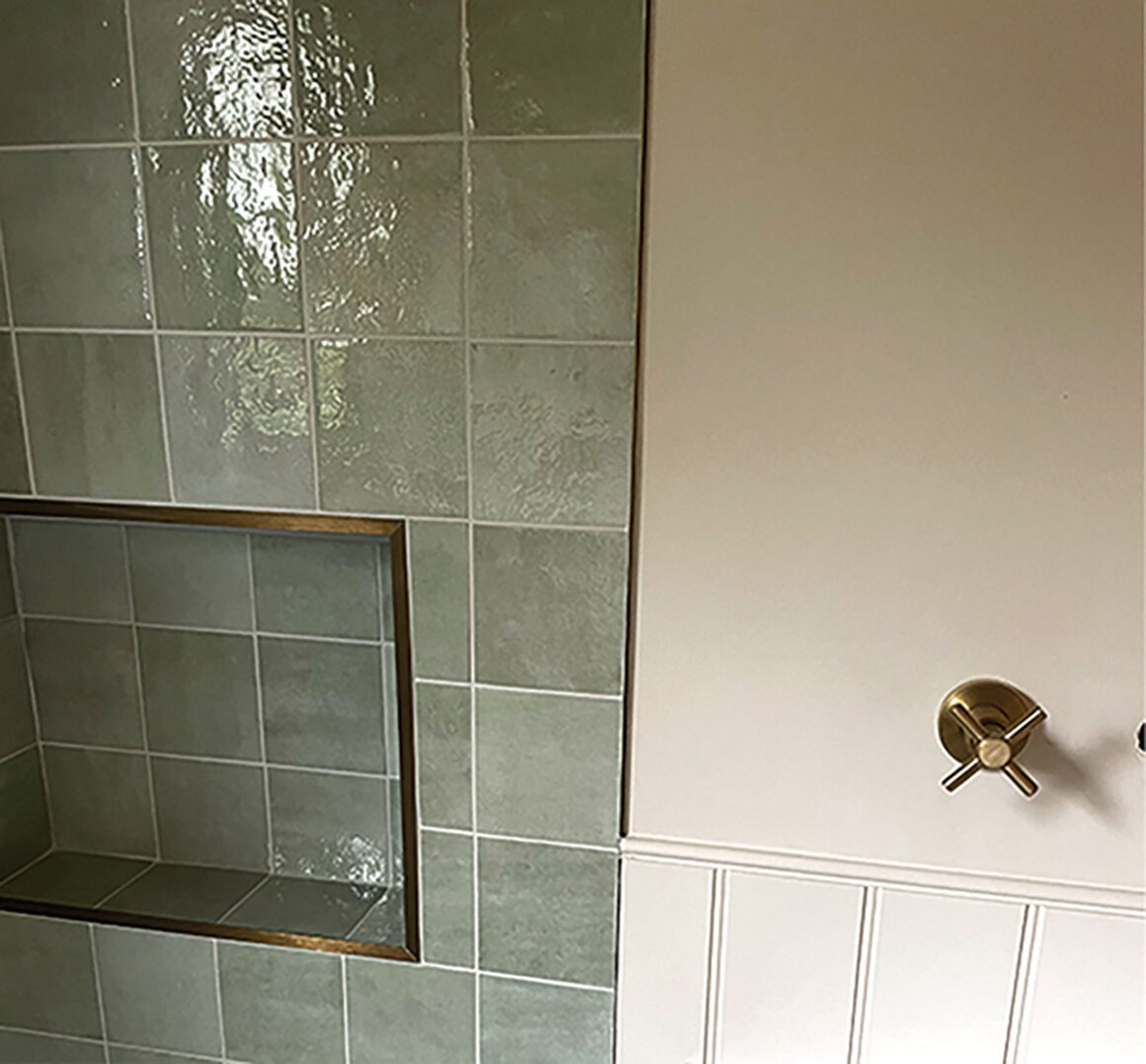
Rich hue colours when using tiles are very popular and setting them out in a portrait fashion give a modern feel.
2. Trims & Panelling
Brass trims and timber wall panelling can add interest and really transform spaces.
3. Simplistic Intervention
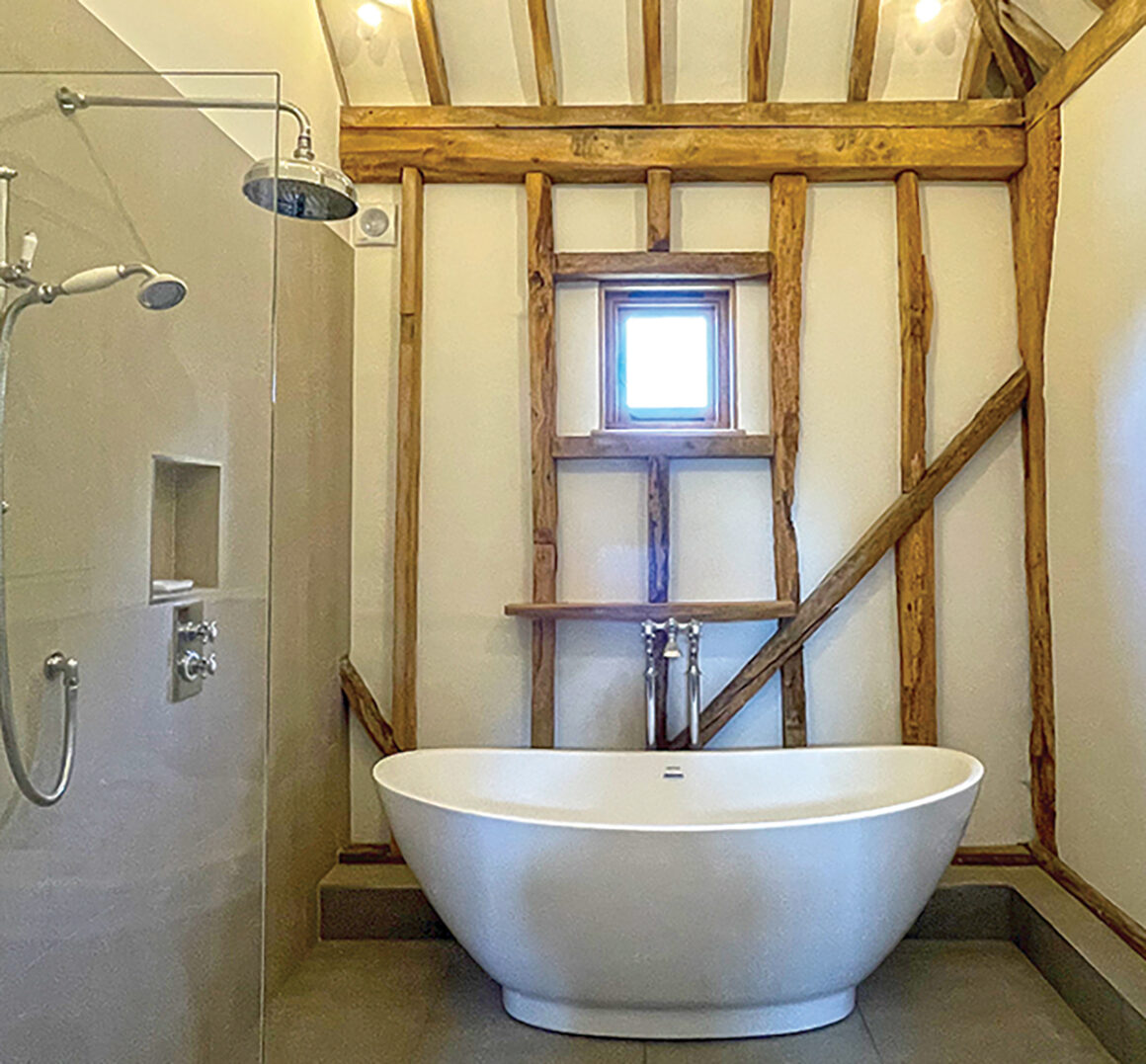
Sometimes a simple design is needed when there are lots of oak beams and historic interest.
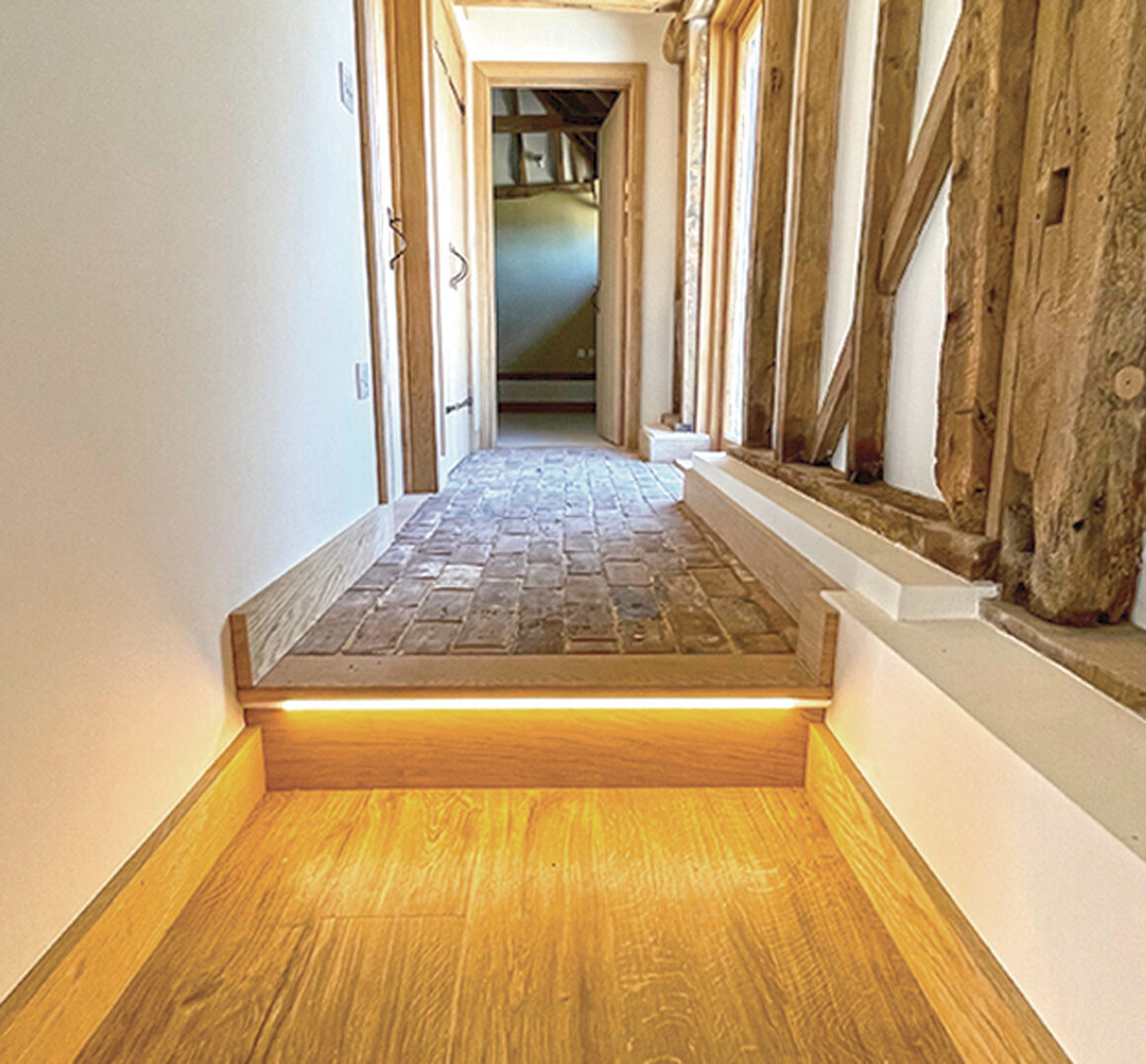
4. Flooring
Herringbone pattern on floors work beautifully and give a real design feel to the space. Some options to consider are engineered oak floors, travertine, tumbled limestone paving, sandstone and porcelain.
5. Lighting
Lighting can transform spaces and a good lighting design is really important.
6. Neutral Colours
Incorporating neutral tones can give a sense of added light and simplicity.
Your Vision
Always remember, you don’t need to decide everything on day one.
However, we hope this guide will help you start designing your vision.
Thinking of starting your project? Jane Elizabeth Architects are able to discuss your vision and talk you through every aspect of the design.
www.janeelizabetharchitects.co.uk