A Small Space with a Long Story
Once a practical refuge for shepherds working far from the farmhouse, the humble shepherd’s hut has found a surprising new place in modern life.
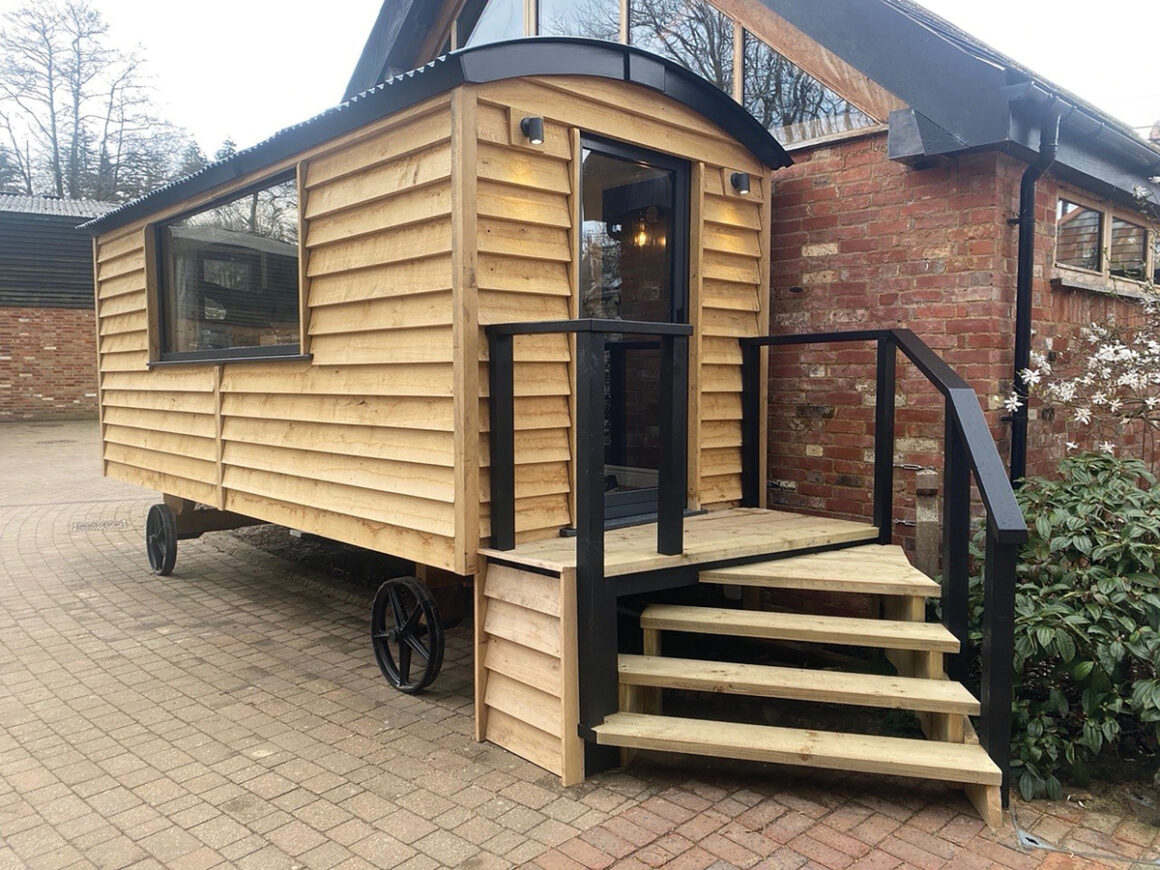
Long before garden offices, glamping retreats and tiny homes became fashionable, the shepherd’s hut offered a simple answer to a very practical problem: how could a shepherd remain close to the flock while working across large and often isolated stretches of farmland?
Pulled into position on iron wheels, these compact huts provided shelter during the busiest periods of the farming year, particularly lambing season. Inside, conditions were modest. There might be a bed, a stove for warmth and cooking, a small table and enough room for medicines, tools and the other essentials required to care for the sheep. Everything had a purpose, because there was little space for anything that did not.
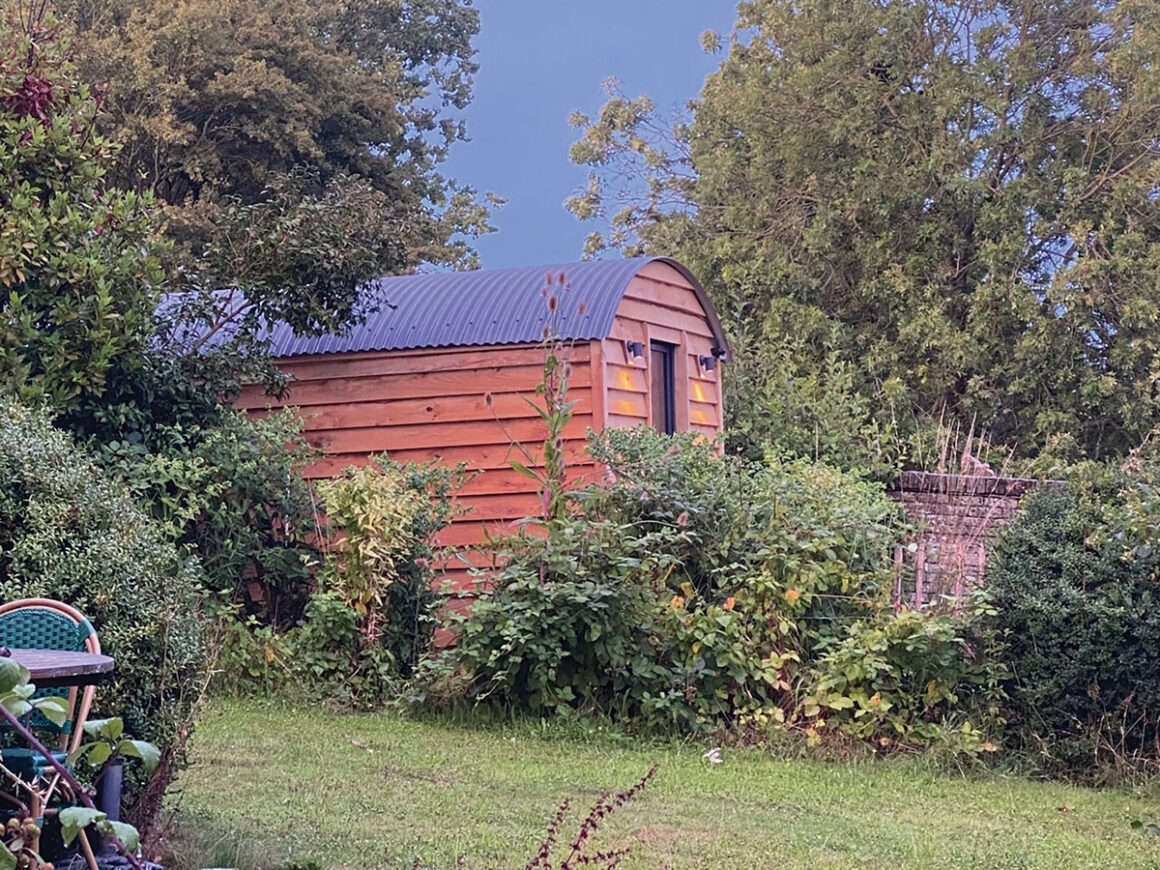
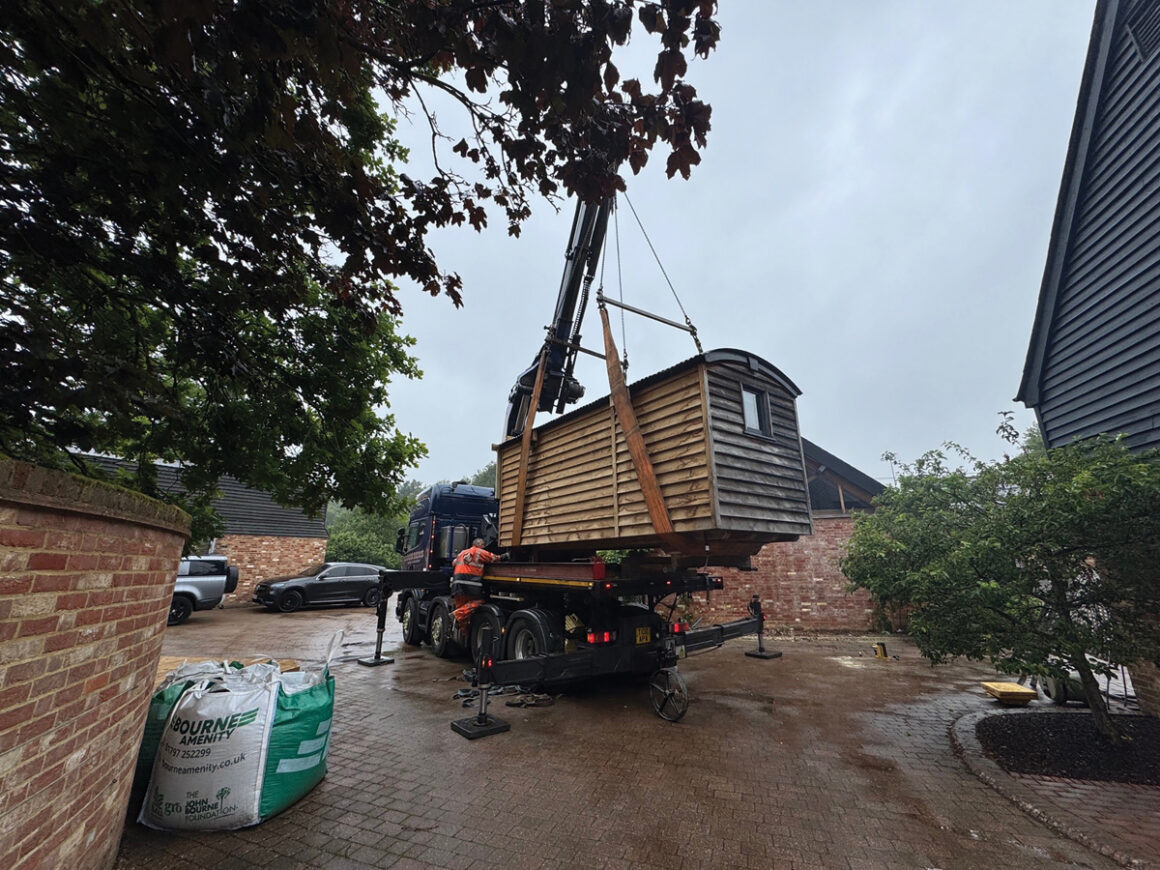
Shepherd’s huts became a familiar feature of the British countryside during the 19th and early 20th centuries, appearing across sheep-farming counties from Dorset and Wiltshire to Sussex, Suffolk and Lincolnshire. Their curved roofs helped to shed rain, while their raised wheels kept the structure away from wet ground and allowed it to be moved as the flock travelled between fields.
As farming practices changed, many huts were abandoned. Some were left quietly at the edges of fields, slowly disappearing beneath ivy and brambles. Others became tool stores, chicken houses or makeshift garden sheds. For a time, it appeared that this modest piece of rural history might simply fade from view.
Instead, the shepherd’s hut has enjoyed an extraordinary revival.
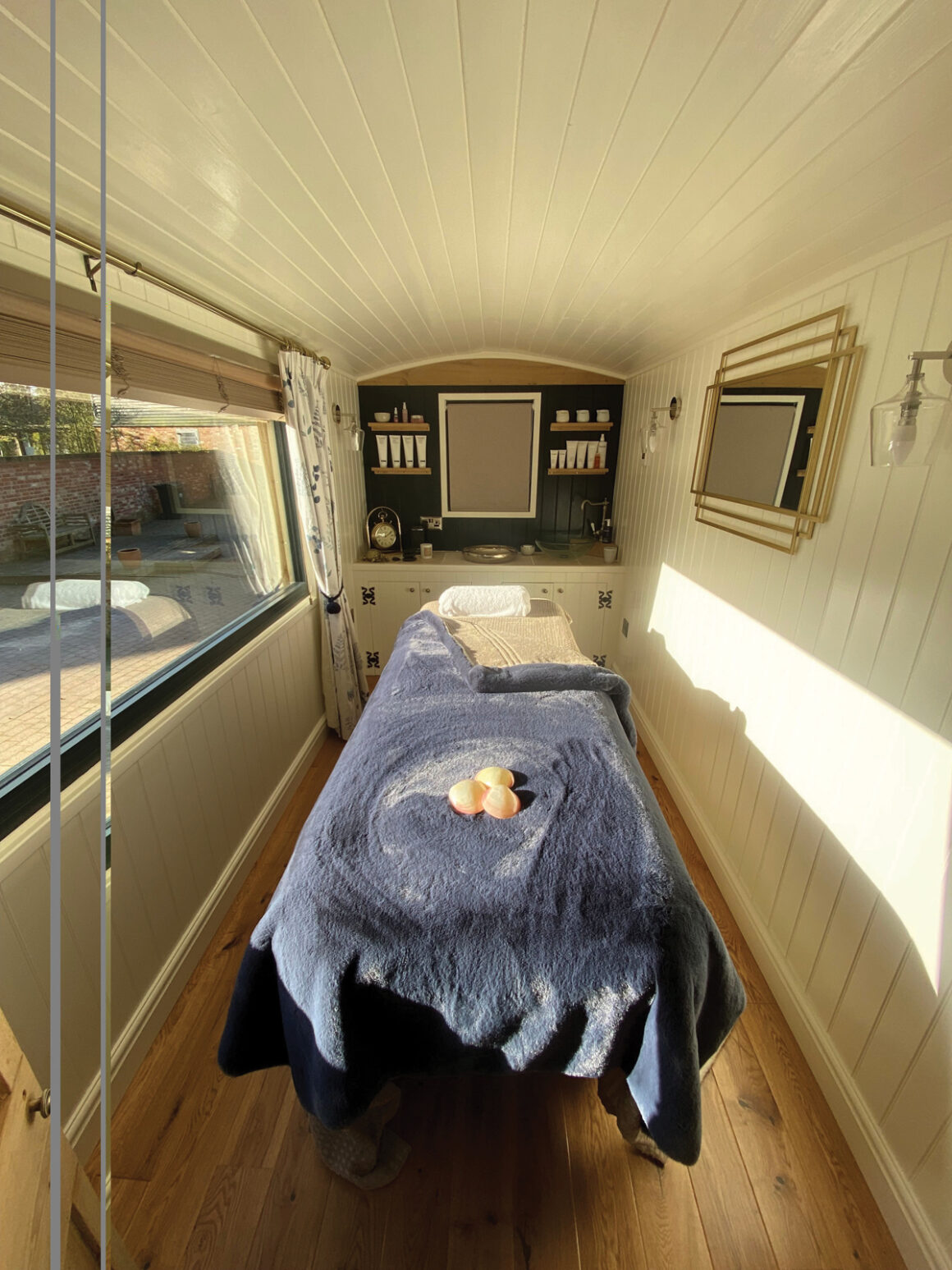
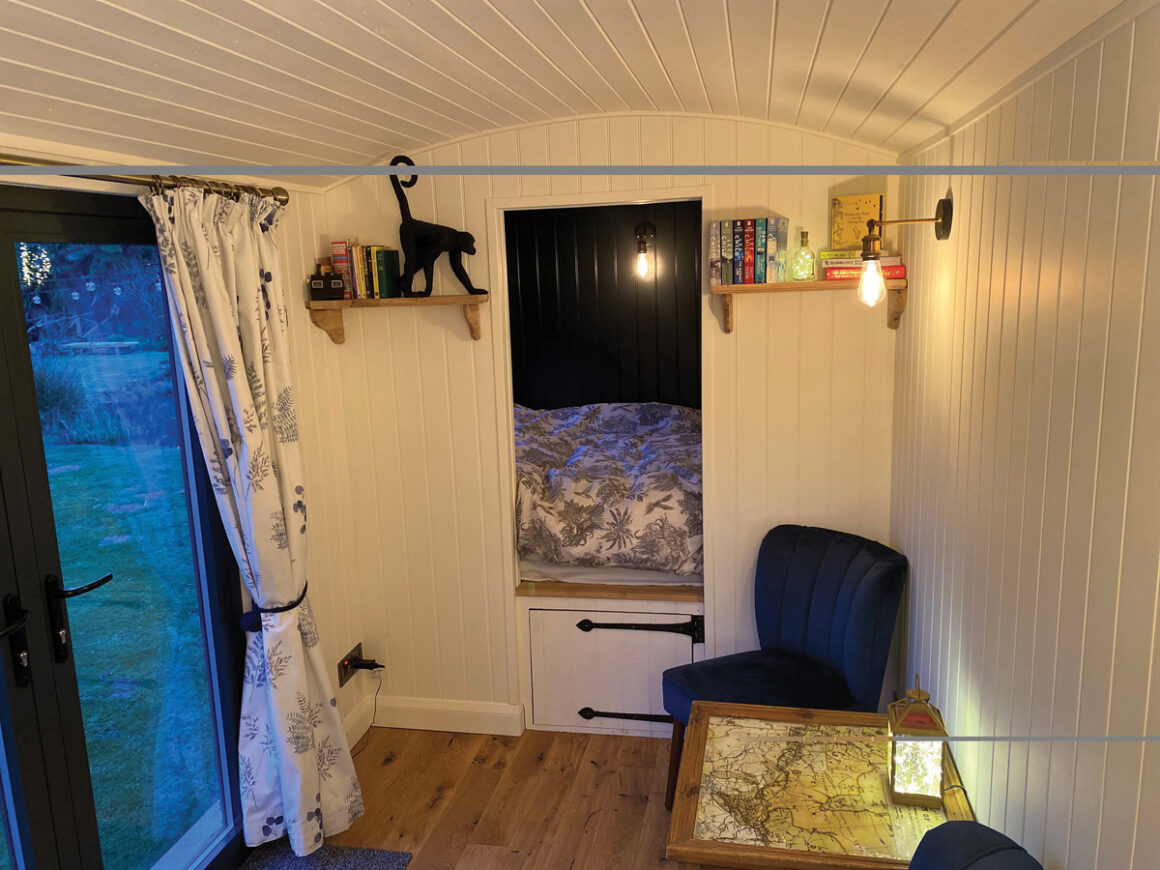
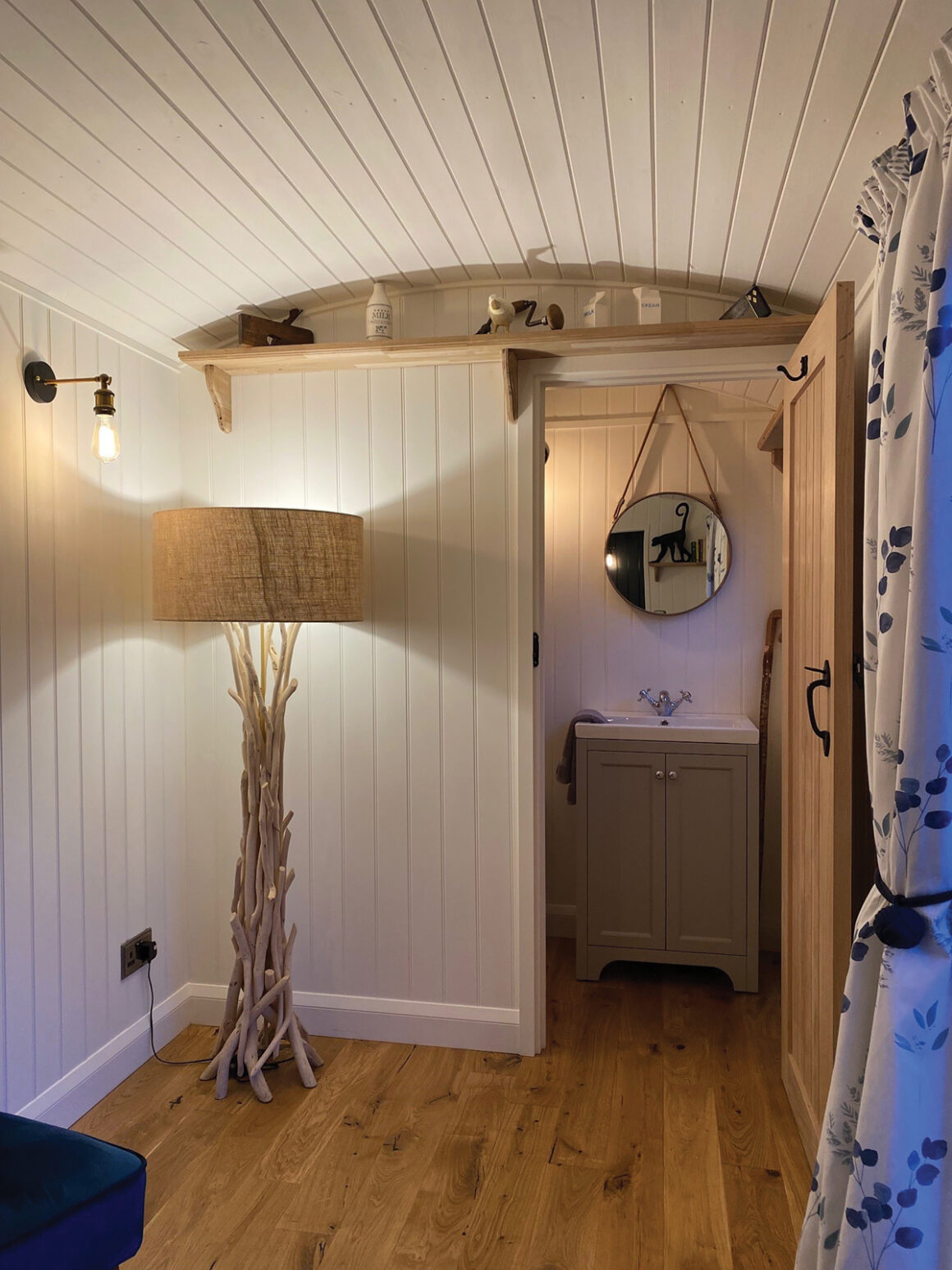
Its appeal today lies partly in its appearance. The arched roof, timber-clad exterior and reassuringly solid wheels evoke a gentler vision of country life. Yet there is more to the renewed interest than nostalgia. In an age when space is increasingly valuable, the hut offers a compact room that can exist separately from the main home without feeling disconnected from it.
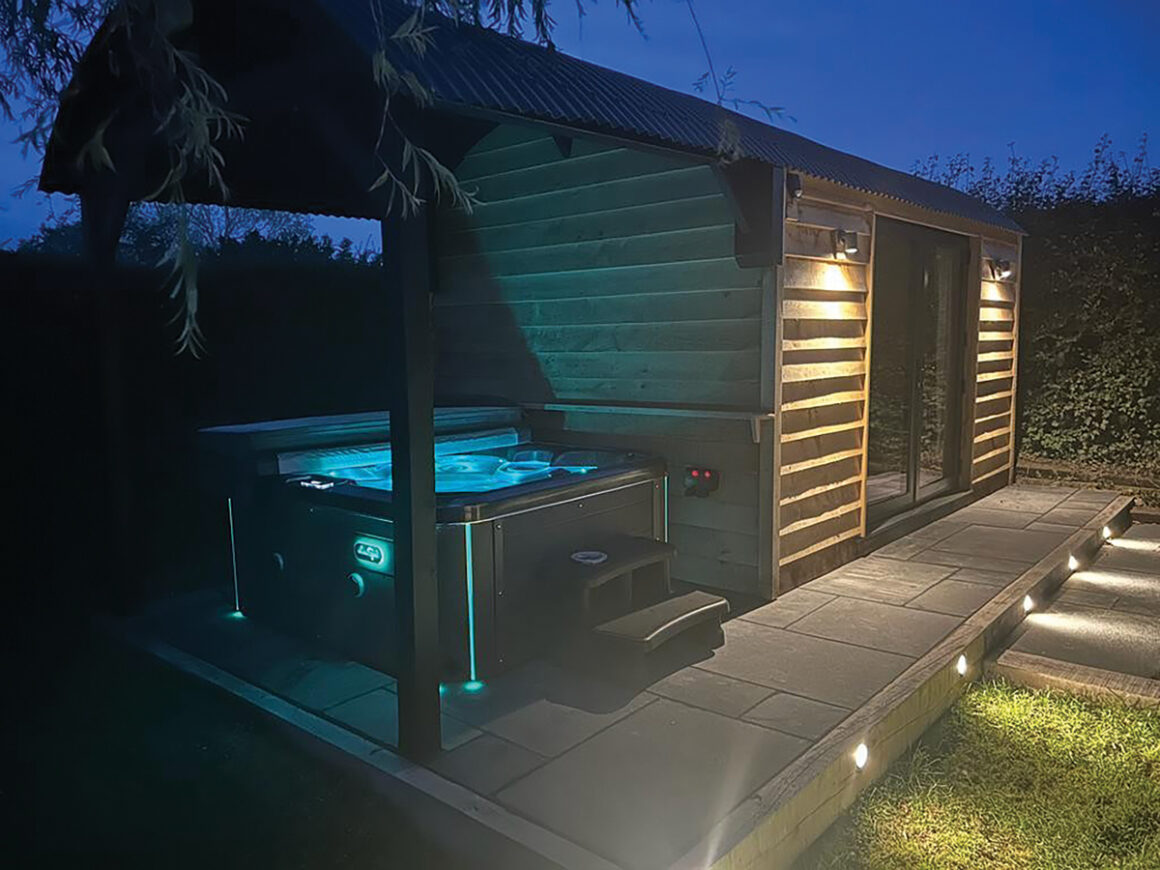
The same small footprint that once demanded practicality now encourages imagination. Modern huts have become reading rooms, artists’ studios, guest bedrooms, writing retreats, treatment rooms and offices. Larger versions may contain kitchens, bathrooms and sleeping areas, while others remain deliberately simple: a comfortable chair, a window framing the garden and somewhere to close the door on the outside world.
There is something particularly satisfying about a room in which every inch has been considered. Storage is tucked beneath beds and benches, windows are positioned to capture light, and furniture often serves more than one purpose. The result is not simply a smaller version of a conventional building, but a space with its own distinct atmosphere.
That sense of tradition finding a new purpose feels especially appropriate in the countryside around Robertsbridge. Here, among the rolling hills of a working East Sussex farm, Wagtail Huts creates modern interpretations of these familiar rural structures. Texel and Border Leicester sheep graze nearby, horses occasionally wander over to the workshop fence, and the surrounding land carries the same agricultural character from which the shepherd’s hut first emerged.
Built around traditional rolling oak and iron chassis, the huts produced at Wagtail may now be destined for very different lives from their predecessors. Yet beneath the contemporary interiors and modern comforts, the original idea remains unchanged: a small, thoughtfully made shelter, closely connected to the landscape around it.