Made Locally, Made Responsibly
Why British Manufacturing Matters More Than Ever
There was a time when buying British was often seen as sentimental, a nod to heritage, tradition, or nostalgia. Today, it feels far more urgent than that. As conversations around sustainability become louder and more complex, many are beginning to ask a simpler question, ‘Where has this actually come from?’, not just where it was purchased, but where it was made, who made it, how it was made and how far it travelled – and whether it was created to last. These questions are no longer niche concerns. They are becoming central to how people shop.
In recent years, sustainability has often focused on materials such as organic cottons, recycled plastics, more often just packaging – recyclable cardboard, biodegradable labels, all important, of course. But increasingly, attention is turning towards supply chains themselves. The reality is that many products marketed as ‘eco-friendly’ still travel thousands of miles through opaque manufacturing networks before arriving on UK shelves. Consumers are becoming more aware of that contradiction.
Buying British-made products does not automatically solve every environmental challenge, but it does offer something increasingly valuable: transparency. When goods are produced closer to home, it becomes easier to understand their origins, to support responsible manufacturing, and maintain a connection between maker and buyer. There is something naturally sustainable about things made well – a 100% wool jumper, a thoughtfully produced ceramic mug, or a beautifully crafted household item tends to be valued differently. These are not impulse purchases designed for a season or a trend cycle; they are objects chosen carefully, used daily, repaired when needed, and often kept for years.
That shift from disposable consumption to thoughtful ownership may be one of the most important sustainability changes happening right now. Interestingly, many seem tired of the culture of excess. There is growing appreciation for fewer, better, beautiful things – products with integrity, usefulness, and a sense of permanence. In a world dominated by fast delivery and constant replacement, craftsmanship can feel quietly radical, special and therefore valued.
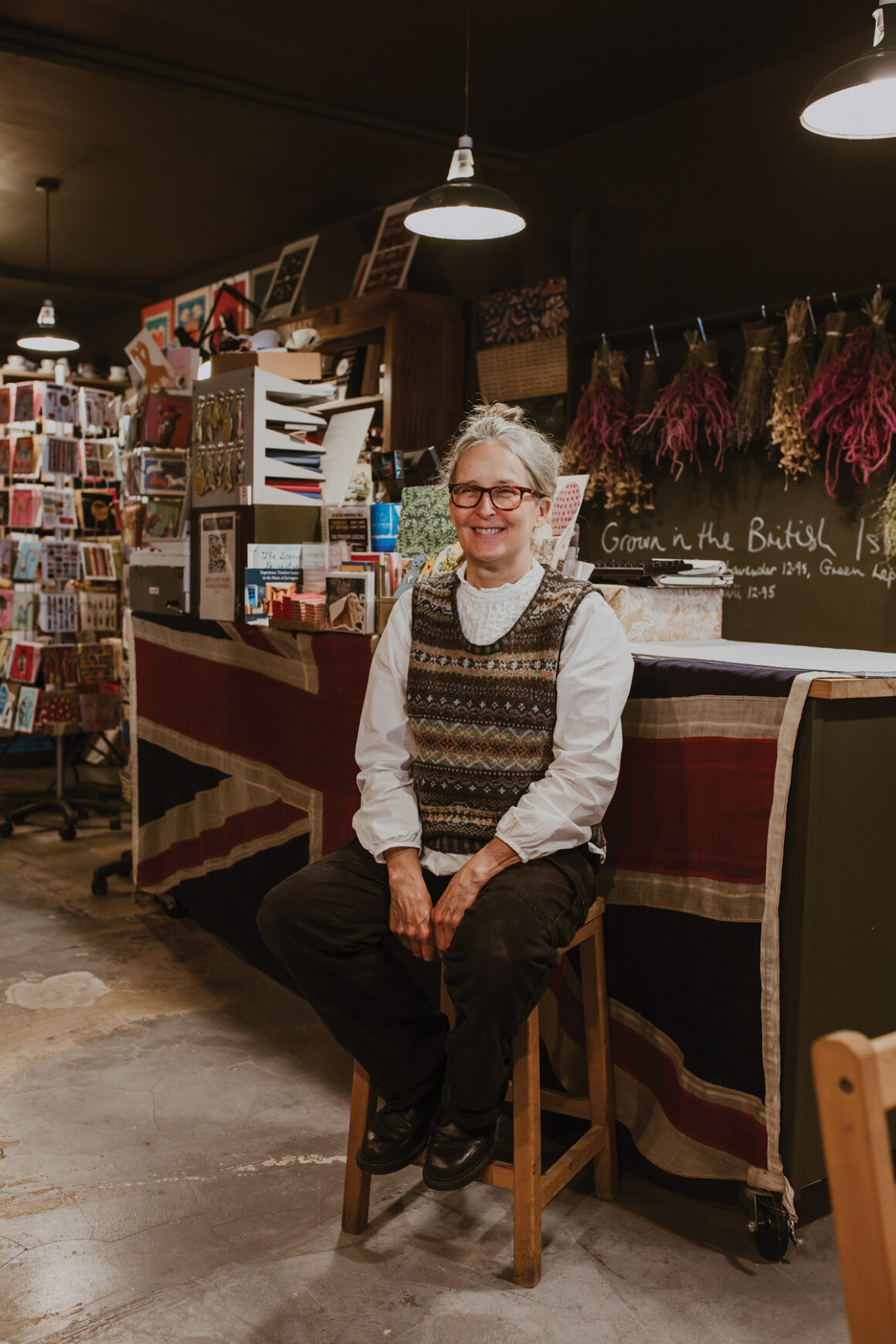
Independent shops have an important role to play in this conversation because they can offer something large retailers often cannot – genuine knowledge of the products they sell – knowing the maker, whether table top or factory-based, understanding the materials, being able to explain why something costs what it does and why it is worth investing in.
Sustainability, ultimately, is not only about carbon calculations and legislation, perhaps it
begins with simply buying fewer things, but choosing them better – choosing quality over quantity, longevity over convenience, and connection over anonymity.
Perhaps the future of sustainable retail is not about reinventing everything, but more about rediscovering the value of making things properly in the first place.
Paula Williams,
www.britishdesignbritishmade.com