Restoring a Piece of French Elegance
For those of a certain age, the name Talbot-Lago will conjure an image of Art Deco, sweeping curves, chrome, plush leather and effortless grace and their T26 Record model epitomises that vision.
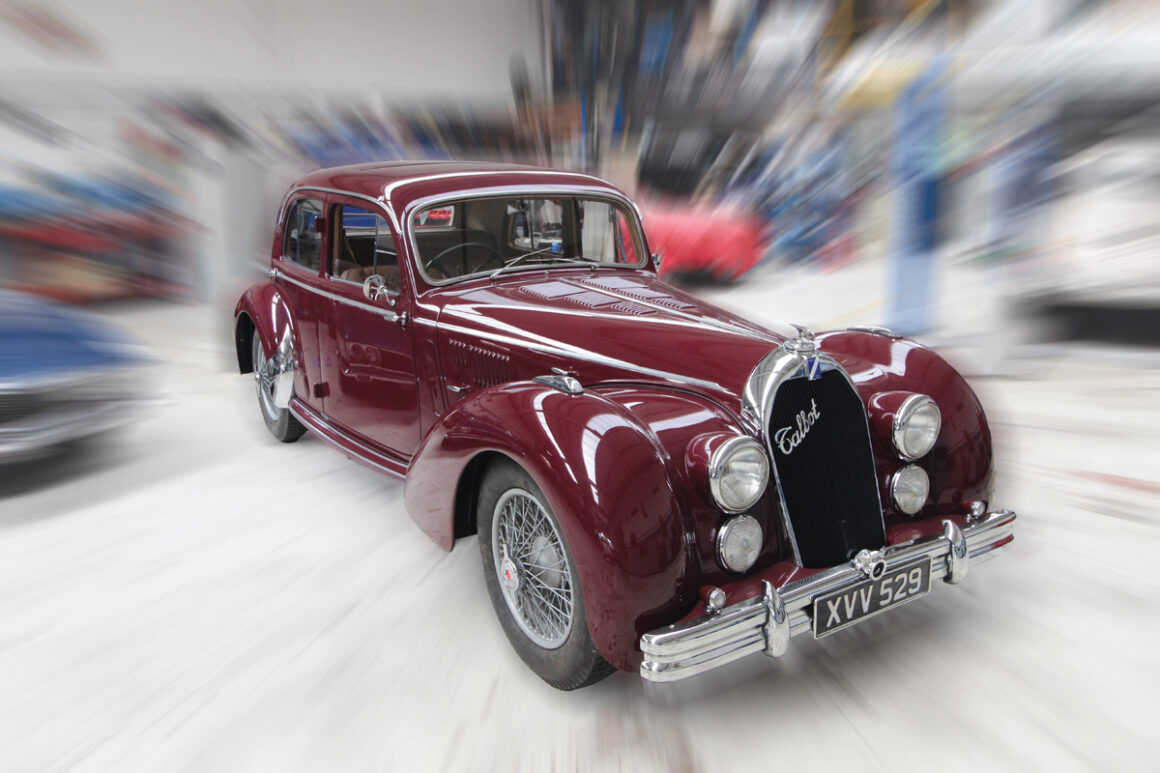
Originally an Anglo-French automotive consortium, the Sunbeam/Talbot/Darracq company went bankrupt in 1935 and the French part, Talbot, was purchased by Tony Lago, a Venetian auto engineer who had trained during the 1920s in England. In 1946, with post war Europe finding its feet again, motor manufacturers were again able to express themselves and the Talbot-Lago company launched the T26 Record, a large stylish executive saloon fitted with a powerful 6 cylinder engine, the same engine used in their Grand Prix and Le Mans winning cars of the same period. In 1947, priced at roughly four times an American Ford V8 sedan or France’s own Citroen 6‑cylinder sedan, the Talbot-Lago T26 remained out of reach for most buyers and production of this elite car ceased in 1953 with less than 1,000 being made.
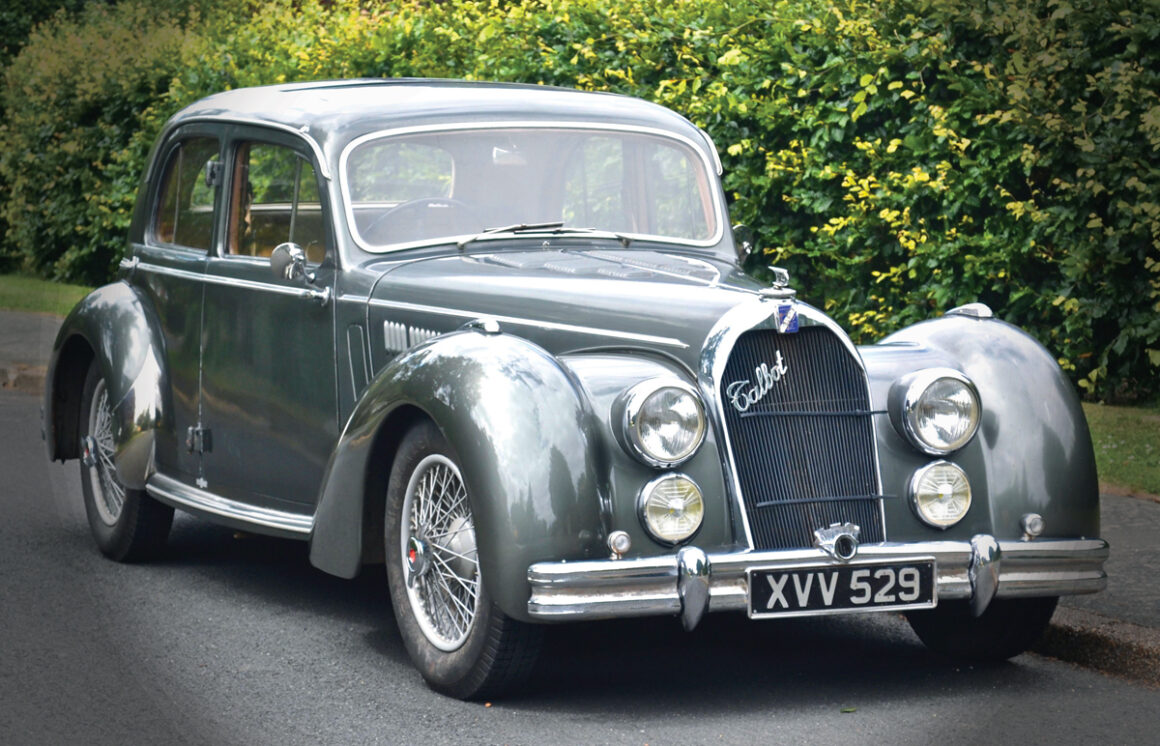
Before Resto
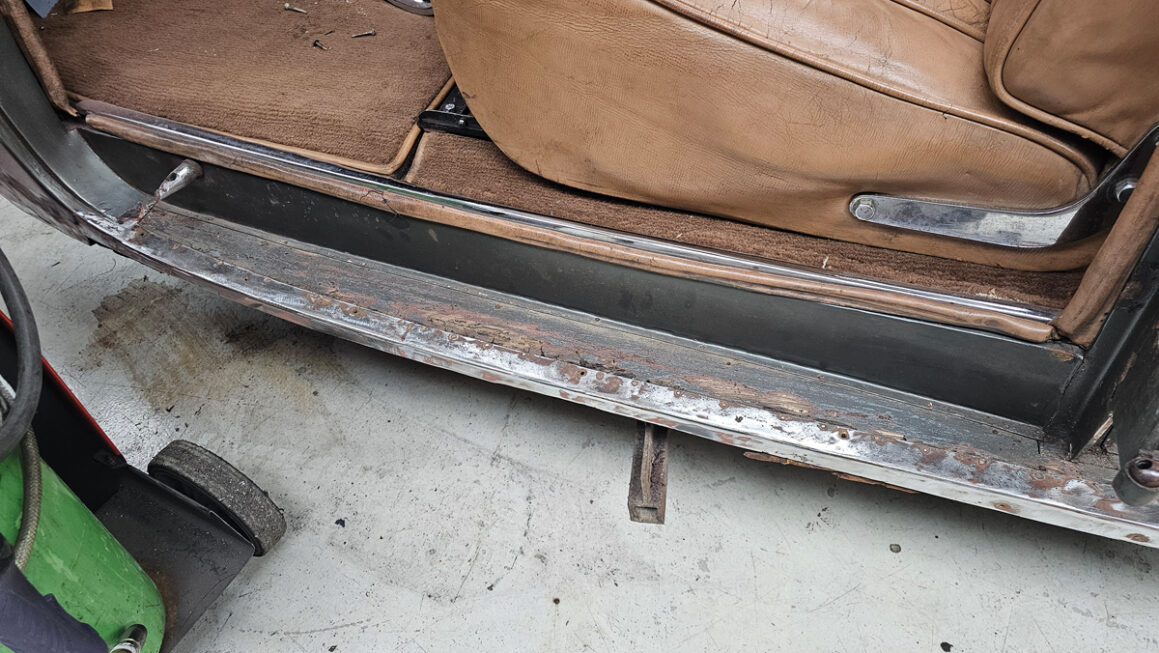
Dry Rot and Woodworm
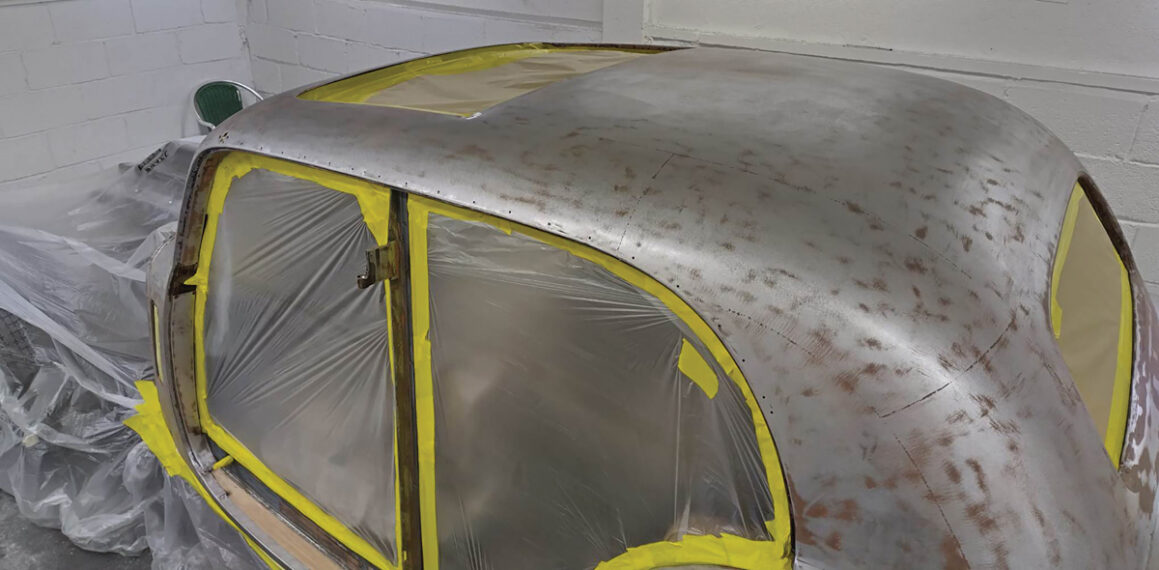
Bare Metal Preparation
This example rolled off the production line in 1950 and was sold into Spain where it spent the next 65 years before being sold to an Englishman who imported it into the UK. The current owner purchased the car in 2017 and used it regularly before committing to a semi restoration with the team at Just Historic Cars, to bring it back to its former glory.
At some time in its life, the car had been resprayed in a gun-metal grey colour, however this paint was very tired, and traces of the original black were showing through after many years of polishing and wear. Careful inspection of the rest of the body showed several areas of concern and the decision was made to strip the paint back to bare metal and deal with the underlying issues- a big step, but well justified once the paint was off.
Unlike modern mass-produced vehicles, put together by robots, cars from this period were hand assembled with more attention paid to making a work of art rather than ease of repair should there be an accident or, heaven forbid, someone wanting to restore one 70 odd years later! The outer steel bodywork is built over a wooden frame, and the interior leather trim is held in place to the same wooden frame with hundreds of tacks, all carefully hidden as you would find on an antique piece of furniture. Removing the interior trim and exterior fittings becomes a labour of love as the parts must be handled carefully to avoid damage. If anything breaks you can’t visit your local auto factor and ask for a ‘hand-made bonnet finishing strip for a 1950 Talbot-Lago please’.
With the paint off, the car’s 75-year life becomes exposed, showing past accidents and repairs along with corrosion and general wear and tear. The wooden frame had also suffered from years of rot and sections had to be cut out and replaced. Only once the repairs, straightening and welding in of new metal sections had been carried out to everyone’s satisfaction could the actual repainting begin.
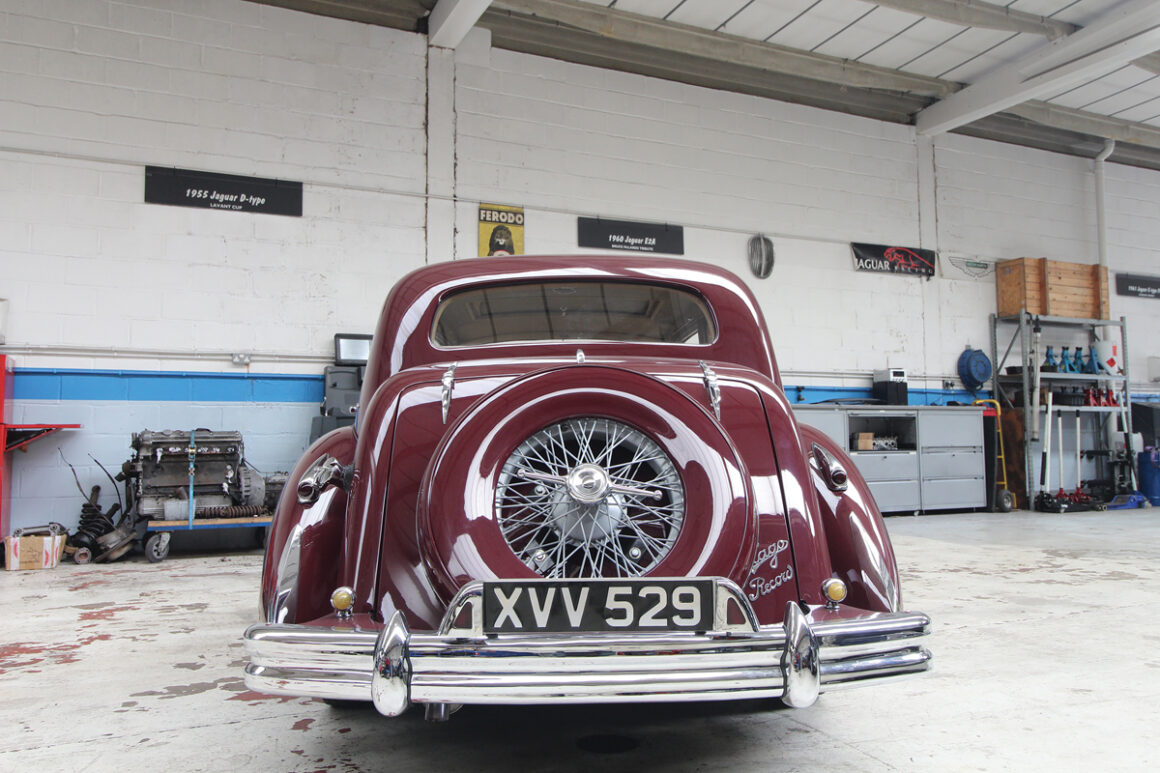
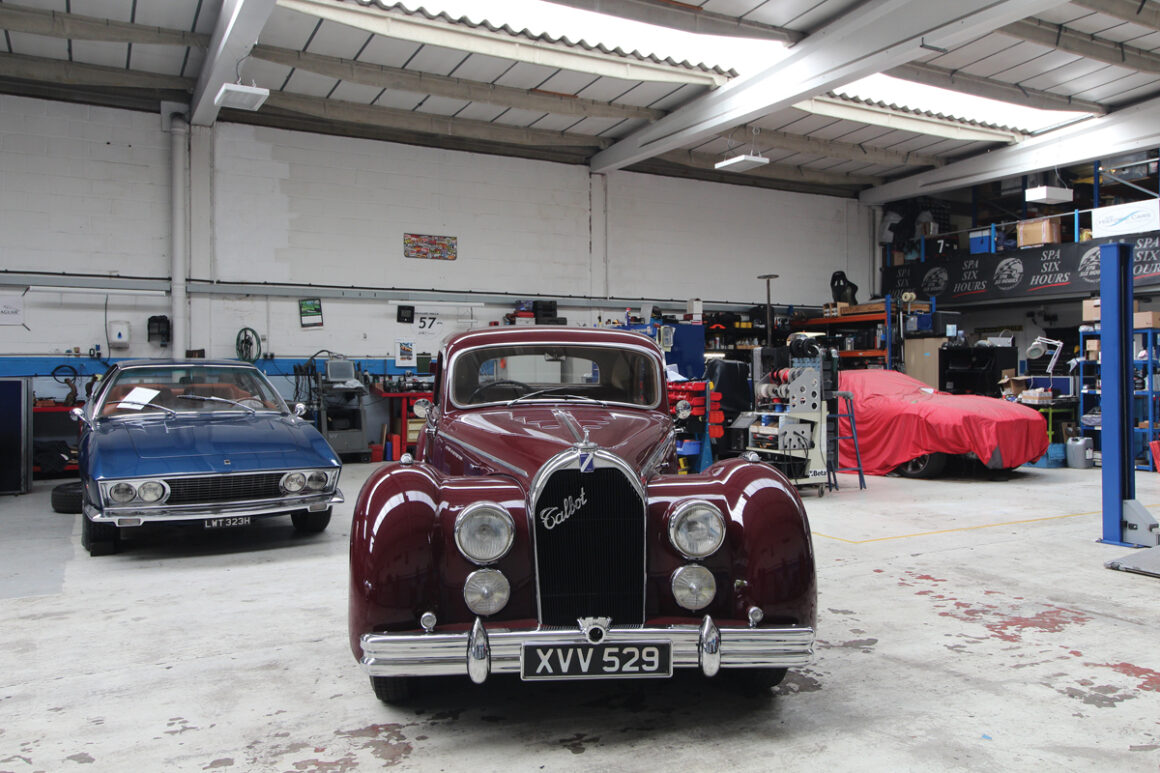
Starting with a protective undercoat followed by primers, each layer has been carefully rubbed back to a smooth finish before the final top colour is applied, achieving the deep finish ready for its final polish. Careful restoration and refitting of the chrome work offsets the deep burgundy colour the car now sports, and the original interior trim has been cleaned and refitted, retaining just the right amount of patina and bringing the car alive again.
Was it worth it — judging by the smile on the owner’s face, he thinks it was!
www.justhistoriccars.co.uk