The Cars We Should Never Have Sold
They were once simply old cars – traded in, scrapped or sold for a few hundred pounds. Today, some of the everyday motors we barely gave a second thought to have become seriously desirable.
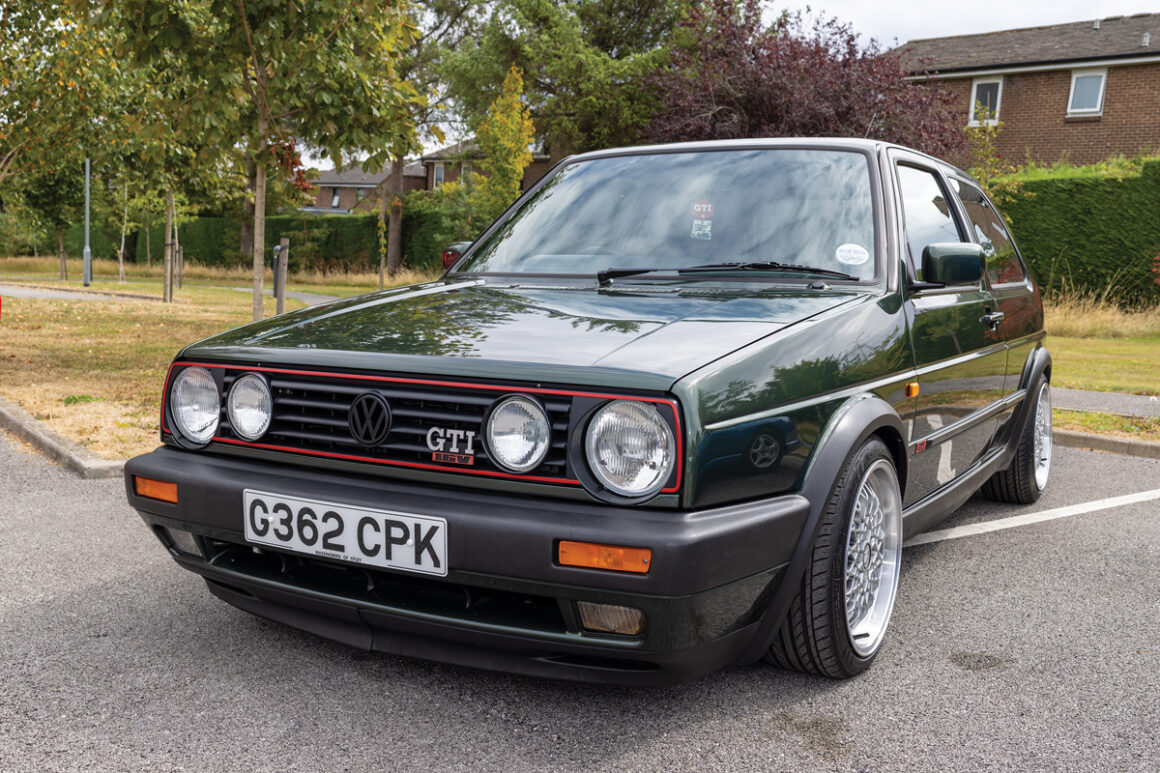
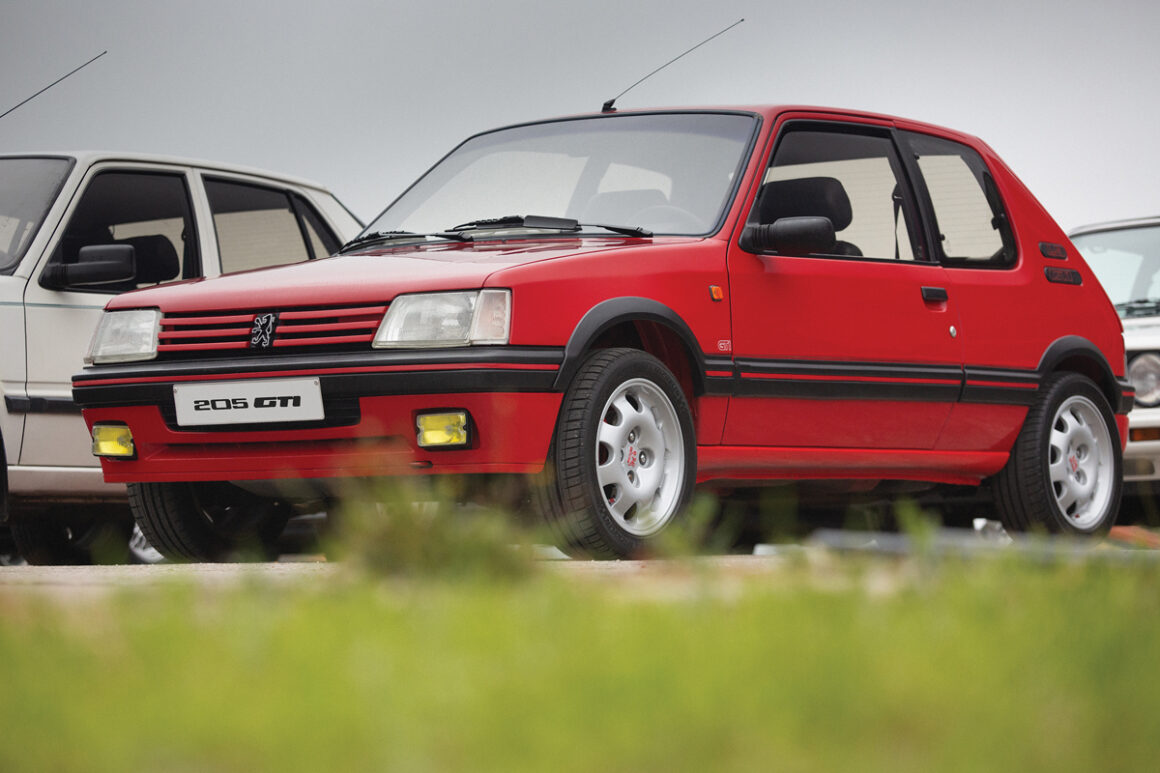
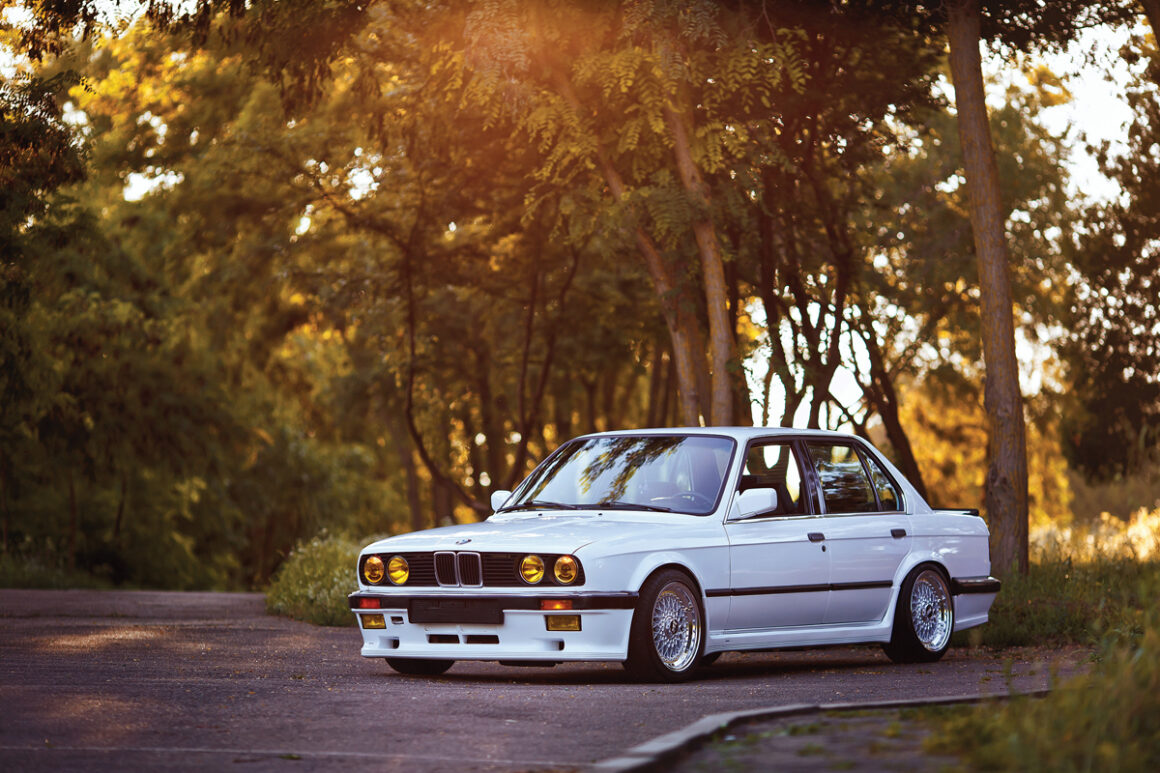
There is a particular kind of pain reserved for discovering what a car you once owned is worth today. Perhaps it was the Ford Escort you sold when something newer came along, the Peugeot 205 GTI that became too expensive to insure, or an old BMW that changed hands for a couple of thousand pounds because, at the time, it was simply an ageing car. Nobody imagined that decades later we would be scrolling through classified adverts wondering quite why we ever let them go.
The classic car world has always had its obvious stars. An early Ferrari, Aston Martin or beautifully preserved Jaguar E‑Type was never likely to end its days being traded in against a family hatchback. What has changed is our attitude towards the far more ordinary cars that once filled British roads. Models from the 1970s, 80s and 90s have crossed that strange line between simply being old and becoming genuinely nostalgic.
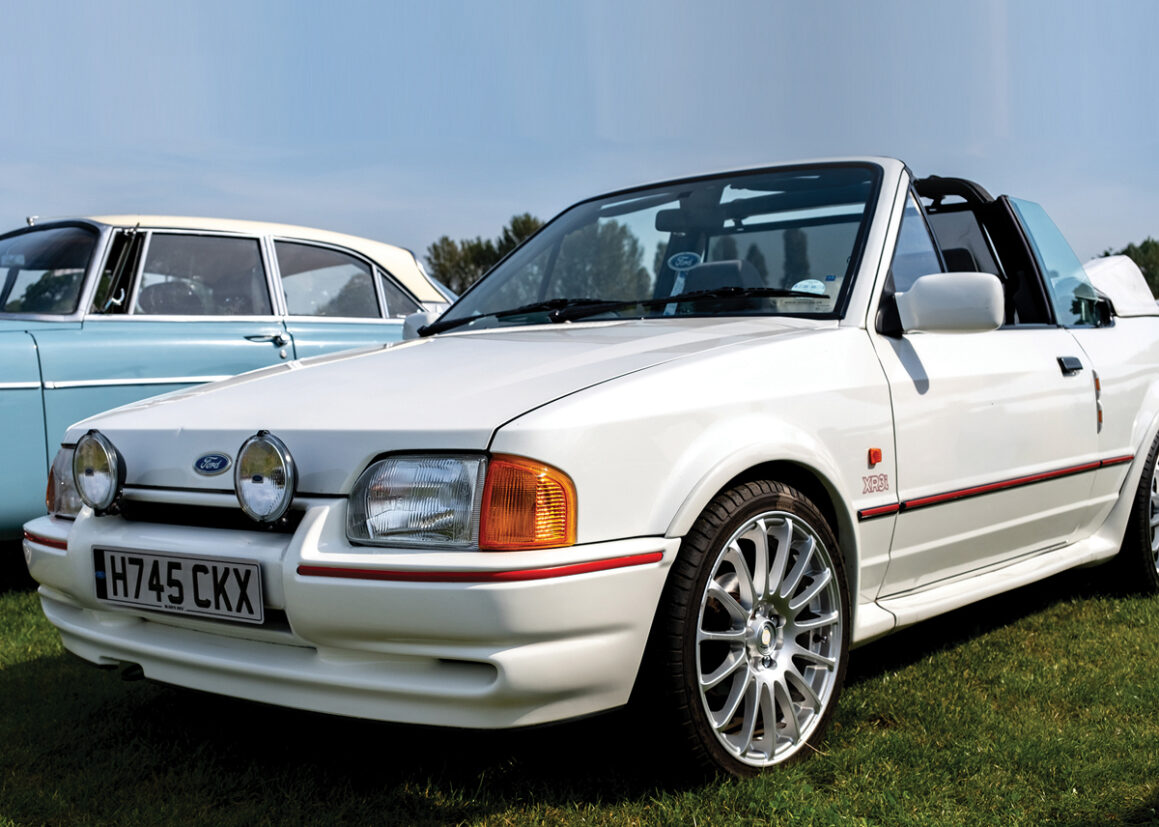
Take the Ford Capri. For generations of British motorists it was an attainable slice of sporting glamour, famously marketed as the car you always promised yourself. There was a time when tired examples could be bought remarkably cheaply, driven for a few years and moved on without much thought. Today, an original Capri in excellent condition attracts serious attention from collectors. The same is true of sporting Escorts, particularly desirable RS models, which have moved into an entirely different league from the everyday Fords they once appeared alongside.
Perhaps nothing captures the phenomenon better than the hot hatch. During the 1980s and 90s, cars such as the Peugeot 205 GTI, Volkswagen Golf GTI, Renault 5 GT Turbo and Ford Fiesta XR2 brought performance within reach of ordinary drivers. They were light, relatively simple and enormous fun, but that also meant many were modified, crashed or simply used until there wasn’t much left to save. Finding a genuinely original example today can be surprisingly difficult, and collectors have responded accordingly.
Then there are the cars nobody thought would ever become classics. Early Range Rovers were once hard-working vehicles that could be found towing horseboxes, crossing muddy fields or earning their keep on farms. Older BMWs and Mercedes saloons eventually became cheap second-hand transport. Even some fairly humble Japanese cars disappeared almost unnoticed as rust, scrappage schemes and changing tastes steadily reduced their numbers. Rarity has a habit of making yesterday’s ordinary suddenly rather interesting.
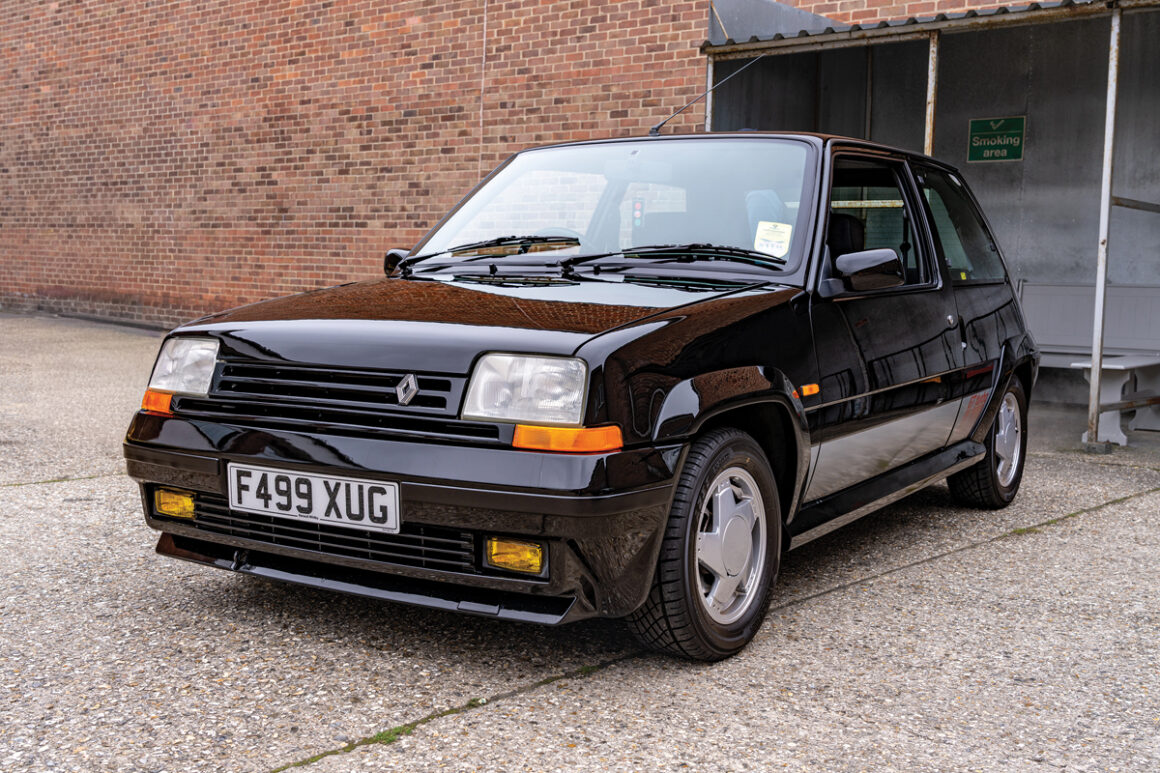
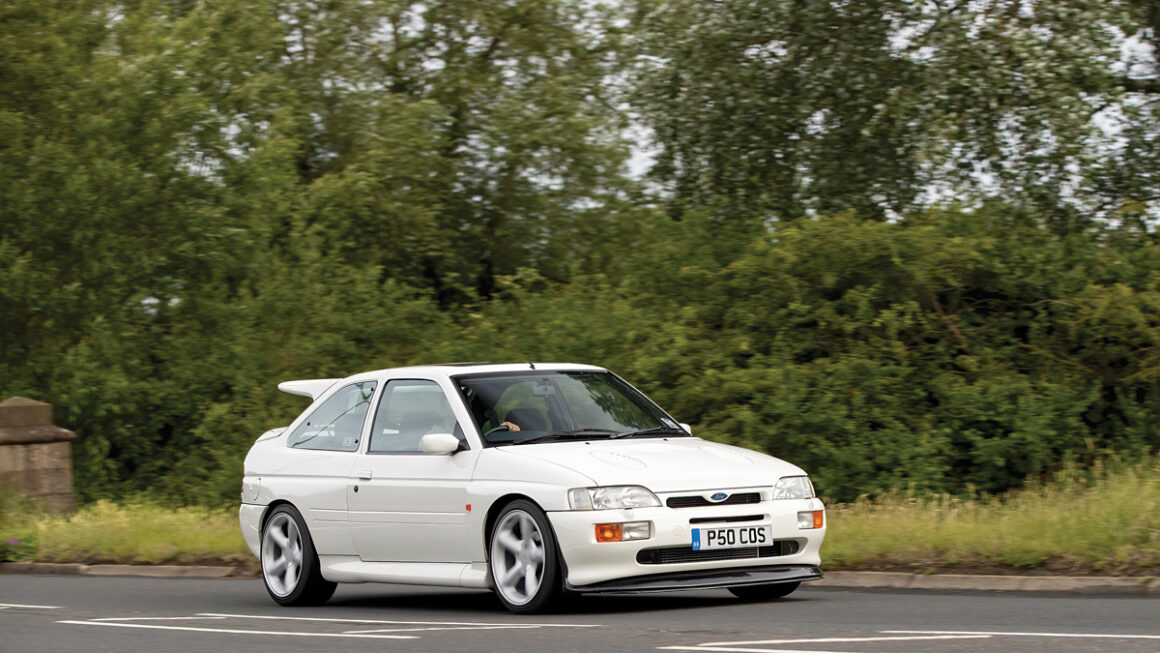
Of course, money is only part of the reason these cars have become desirable. Open the door of something from thirty or forty years ago and there is an immediate reminder of how much motoring has changed. The steering wheel is thinner, the windscreen seems enormous and the dashboard contains actual buttons rather than a screen controlling everything from the heating to the radio. There are no selectable driving modes and, in many cases, very few electronic systems standing between the driver and the road.
By modern standards, plenty of them weren’t particularly fast either. Yet speed isn’t necessarily what people remember. They remember the sound, the smell of the interior, the slightly questionable heater and exactly where their parents used to take them in it. Cars have an unusual ability to attach themselves to periods of our lives, which is why seeing the right registration year and colour can transport somebody back several decades in an instant.
That nostalgia is now influencing the market. Today’s enthusiast isn’t necessarily chasing the exotic car that appeared on their childhood bedroom wall. Increasingly, they want the car their father drove, the hot hatch they owned at 21 or the model they desperately wanted but couldn’t afford at the time. The result is that surviving examples of once-common cars are being restored, cherished and tucked away in garages.
So perhaps there is a lesson here. Somewhere outside right now sits an unremarkable ten-year-old car that most of us wouldn’t look at twice. In another thirty years, enthusiasts may be fighting over the handful that survived.
The difficult bit, as ever, is working out which one we shouldn’t sell.