The Road Ahead – What UK Drivers Need to Know
For many motorists, the rules of the road can feel as though they are constantly shifting. From tax changes and electric vehicles to driving tests and future road safety proposals, 2026 is shaping up to be another important year for UK drivers.

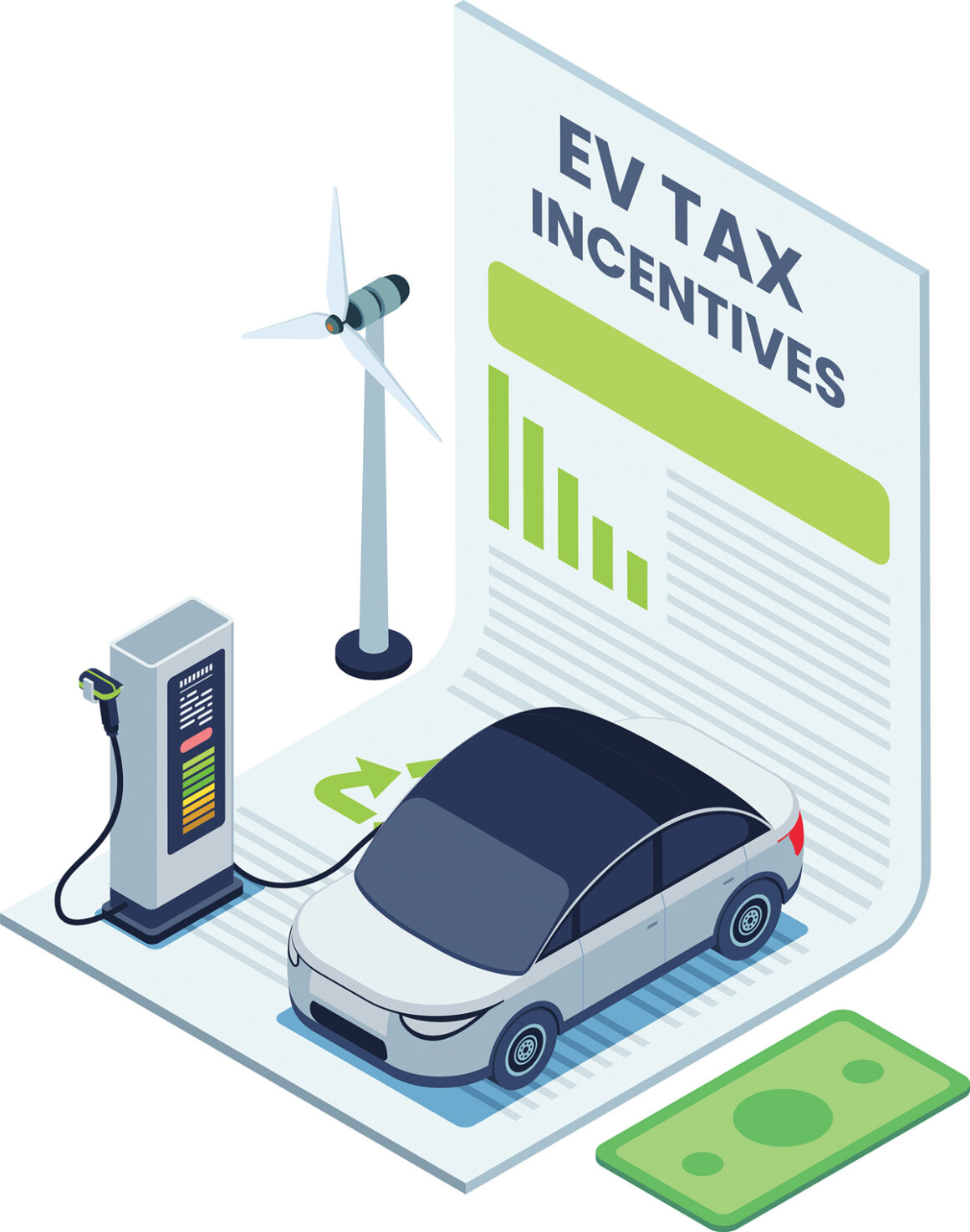
One of the most noticeable changes is around vehicle tax. Electric, zero and low-emission cars are no longer completely exempt from Vehicle Excise Duty. Under current government guidance, electric cars registered on or after 1 April 2025 pay £10 for the first year, followed by the standard annual rate, currently £200. Electric cars registered between 1 April 2017 and 31 March 2025 also now pay the standard rate. Older electric cars registered between March 2001, and March 2017 pay a lower rate.
This marks a clear shift in how electric vehicles are treated. For years, EV ownership came with strong tax advantages, but as electric cars become more common, the government is beginning to bring them into the wider motoring tax system. Looking further ahead, a new Electric Vehicle Excise Duty is being consulted on, with proposed charges of 3p per mile for fully electric cars and 1.5p per mile for plug-in hybrids. The government says this would begin from April 2028, not 2026 or 2027, so it is one to watch rather than something already in force.
Learner drivers are also seeing changes. The Driver and Vehicle Standards Agency has introduced new rules for booking and managing car driving tests from spring 2026, aimed at reducing misuse of the booking system and helping genuine learners access tests more fairly.
For businesses, trades and fleet operators, there is another practical change. Electric vans between 3.5 and 4.25 tonnes are being moved into Class 7 MOT rules, meaning many will need their first MOT after three years rather than after one year. That could make electric vans more attractive for companies considering the switch.
There are also wider road safety proposals being discussed, including possible changes around drink-driving limits, seatbelt penalties and eyesight testing for older drivers. These are not all confirmed law, but they show the direction of travel: tighter safety expectations, more focus on compliance and a gradual move towards a different way of taxing road use.
For drivers, the message is simple. The next few years will not just be about what we drive, but how we pay for it, maintain it and prove we are fit to be on the road. Keeping up with the changes may soon be as important as keeping fuel in the tank.